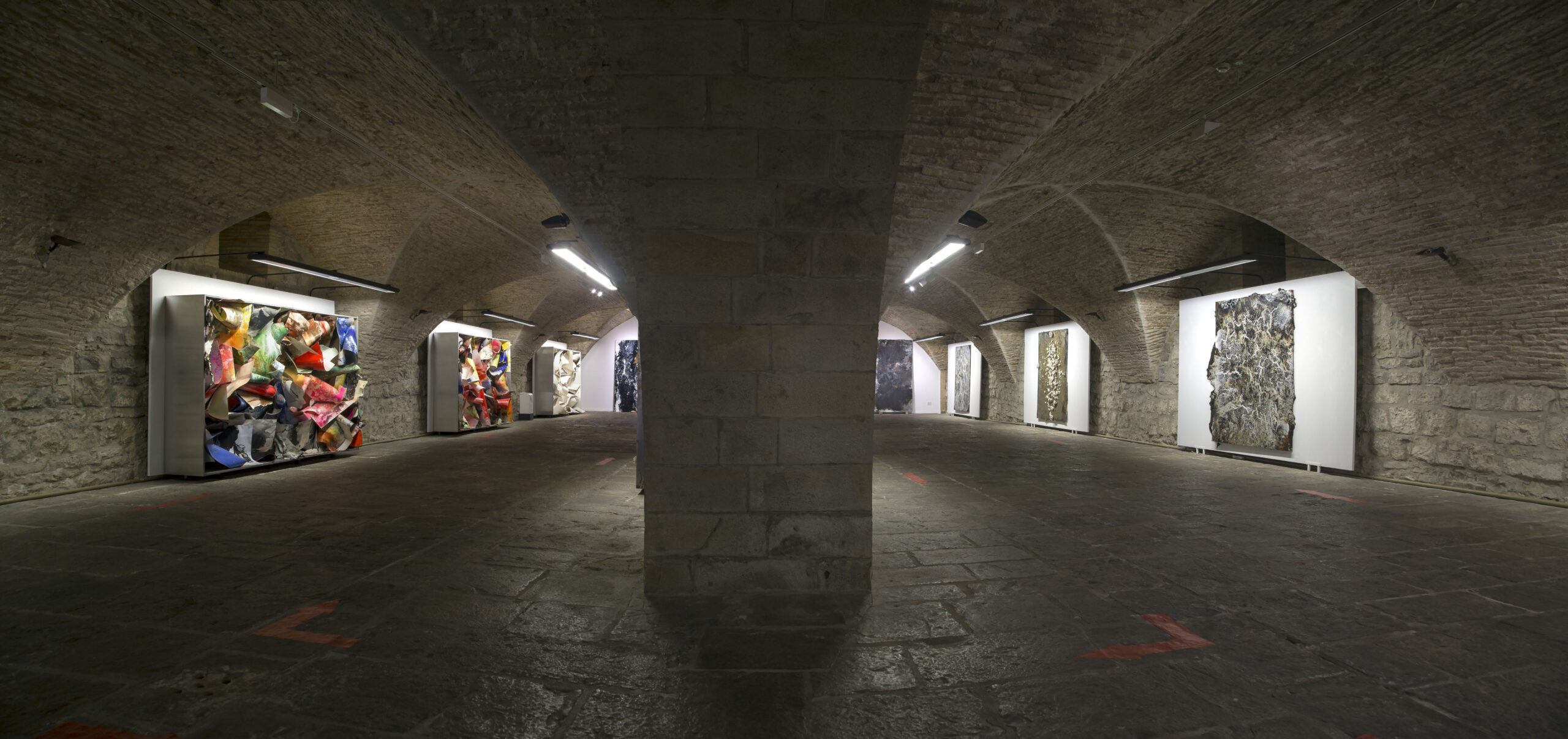
Only That Which Passes Through All The Doors
Pabellón de Mixtos, Ciudadela. Pamplona
September 17 | October 9 2021
The finger in the wound
To evoke childhood curiosity, the same curiosity that fuels scientific curiosity, and to explore the painting with all the senses. To learn from what is unknown, to put one’s finger in the wound. The interior of the pictorial matter, the ‘flesh’, is synonymous with the truth of painting for many. The painting that is painting itself.
Its intrinsic properties –density, color, light and the passage of time– determine the search undertaken by César Barrio. He understands it as going beyond the way to see something as if it had never been seen: “If you look for what is inside the painting, see the painting without the skin and analyze its depth, you get to the material layers,” he says. However, that curiosity that leads the artist to experiment with the painting as if it were his own flesh can confuse the senses and lead to a futile search. “I have always believed that the only measure that should be applied to an artist is how far or how close he is to Frenhofer,” he admits. Since Romanticism, the tormented artist who obsessively pursues perfection has become a leitmotif for a good number of creators. Frenhofer, the old master who came out of Balzac’s pen to show us the dangers of imitating the flesh and creative anxiety, is also identified with the cursed artist –a painter-philosopher in the full Mengsian sense– who believes he has solved the dilemma between line/drawing and matter/color. A sort of pictorial alchemy that will breathe new life into his creations.
On the other hand, the artist who finds meaning in painting itself, follows the path of color and experimentation as shown by Maurice Merleau-Ponty. To ’embody’ painting, it is not enough to draw what is seen and give it ‘its’ color, but it is also necessary to paint what is not seen: its interior. Goethe, in his theory of color, asserted that “for the flesh, color must be absolutely liberated from its elementary state.”
Reality according to the old master Frenhofer is fully purovisibilist. Whereas the one shown to us by Goethe and phenomenology is based on the perception of matter. In one way or another, the atoms manifest themselves for the artist who experiments with painting. It is the “hyperphysics of mimesis”, described by Didi-Huberman as “Hyperphysics, and not metaphysics”, since “mimesis appears here indeed thought of as a matter, evidently subtle, but nevertheless a matter, ‘a mother substance’, writes Balzac, a tissue of entrails”.
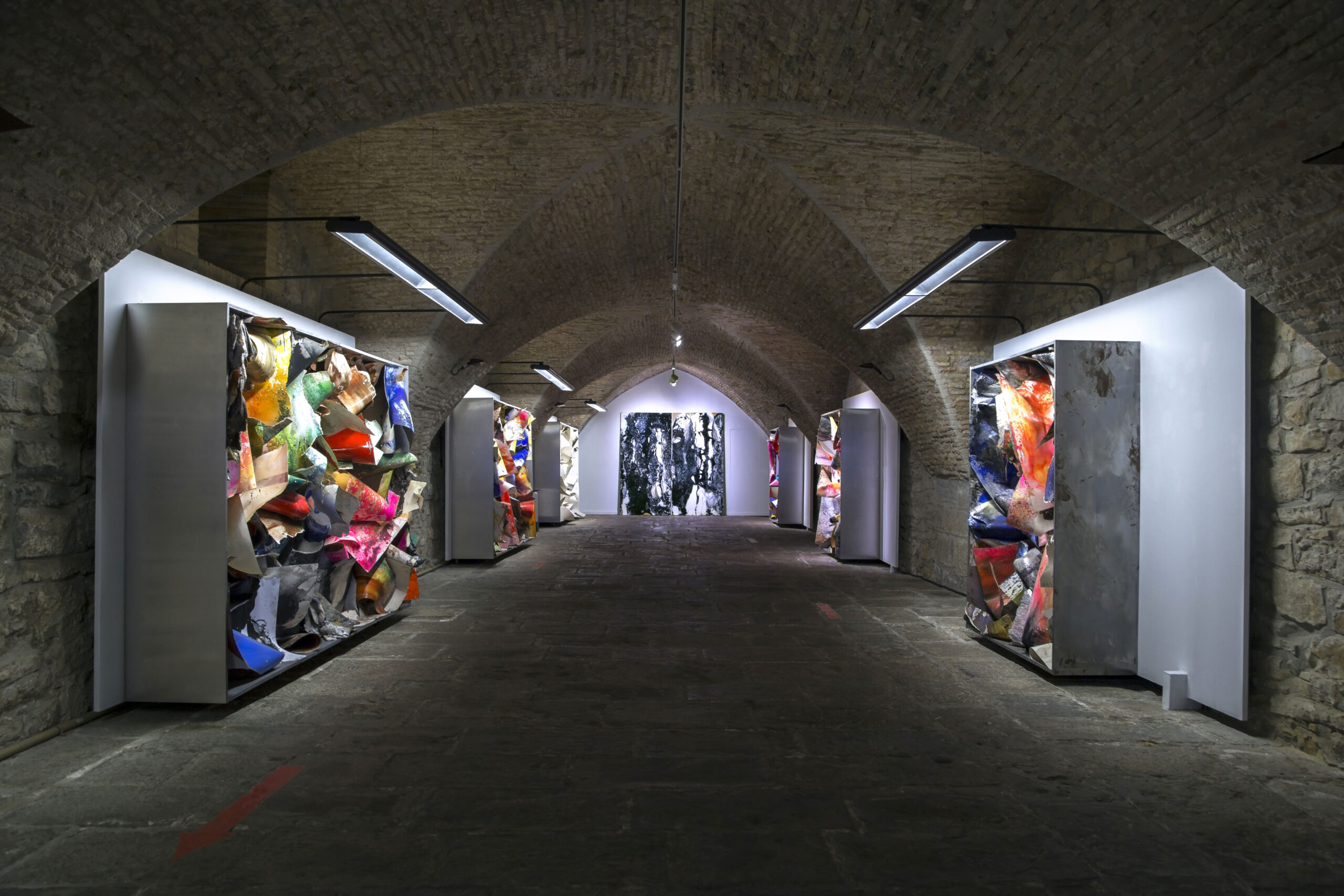
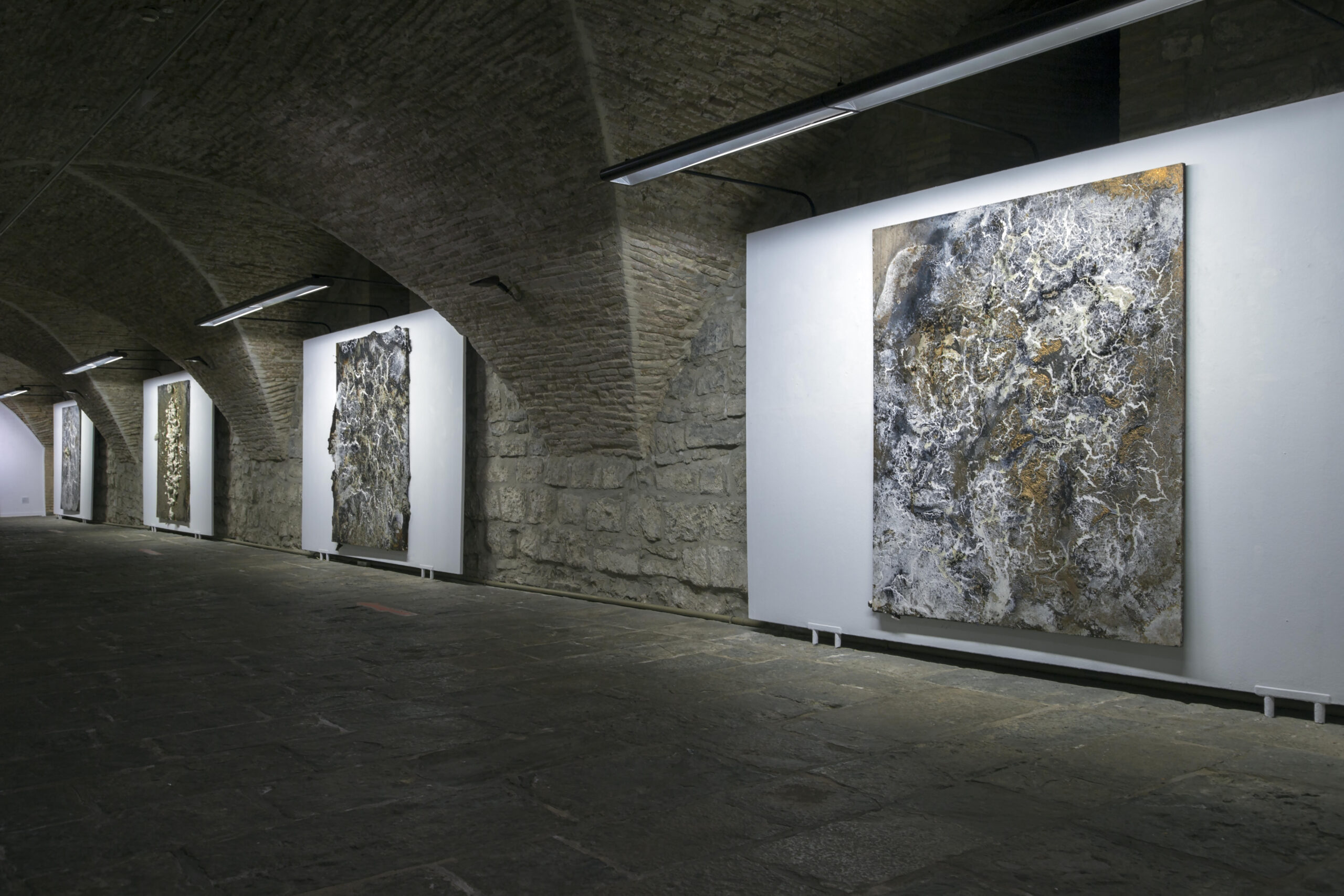
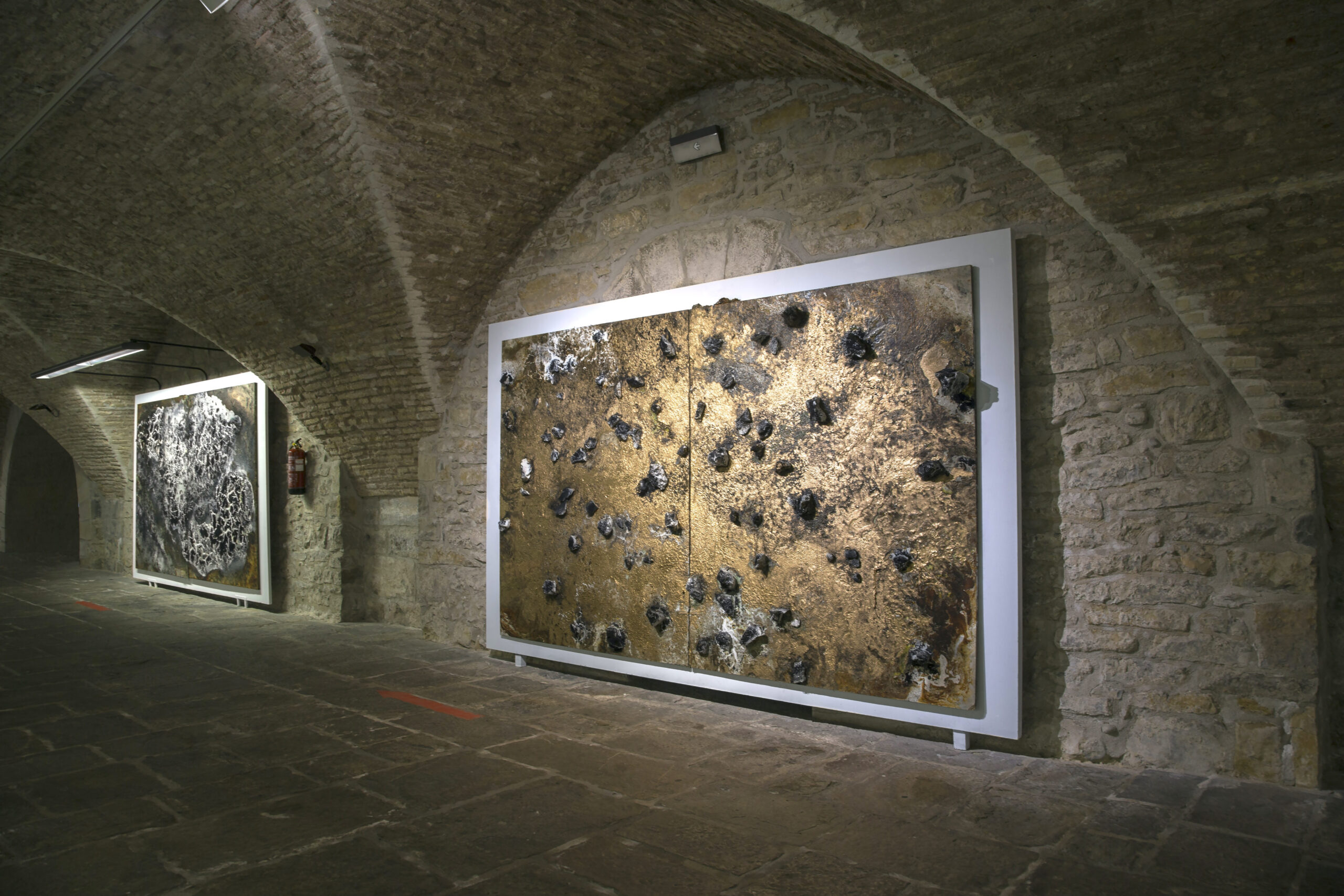
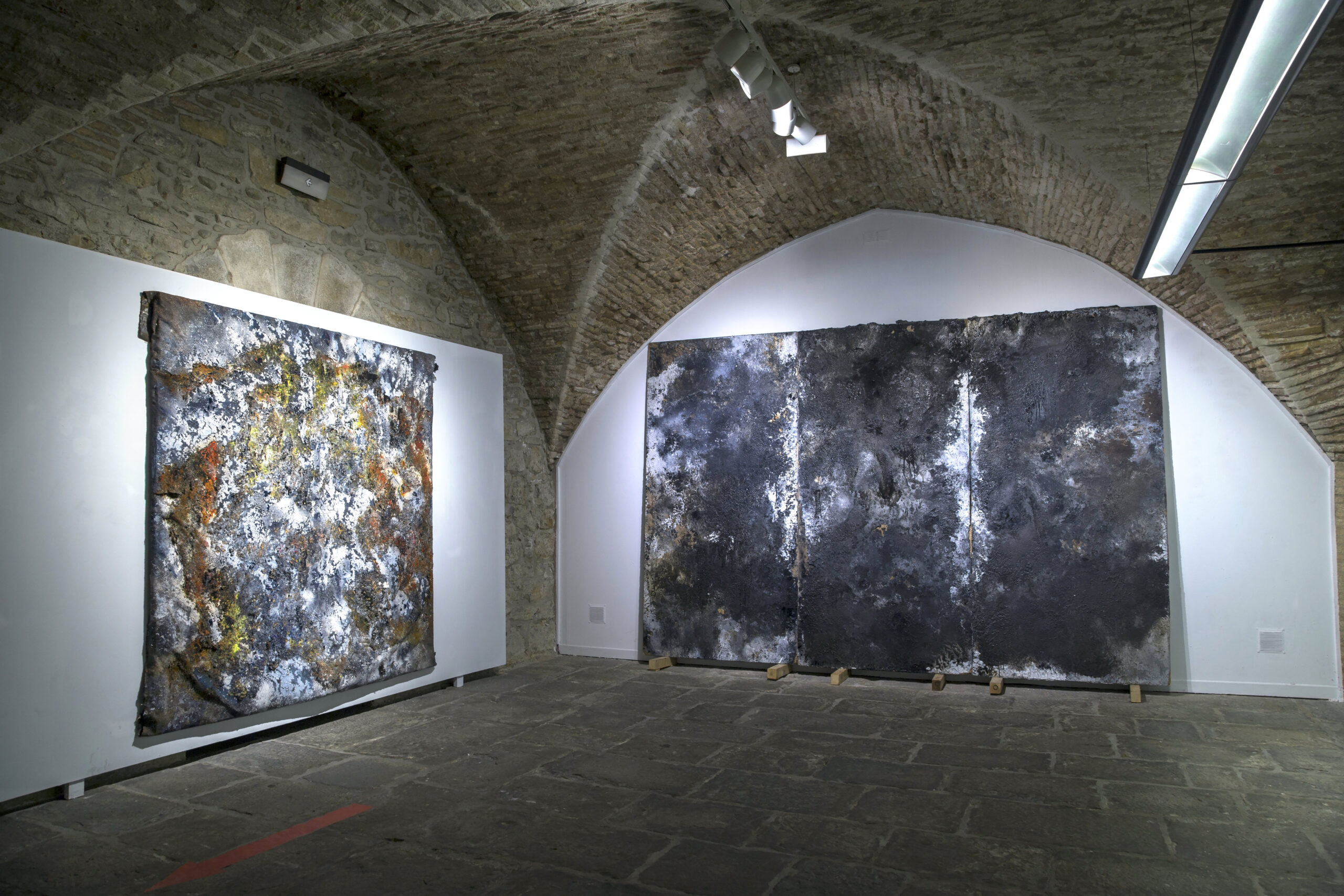
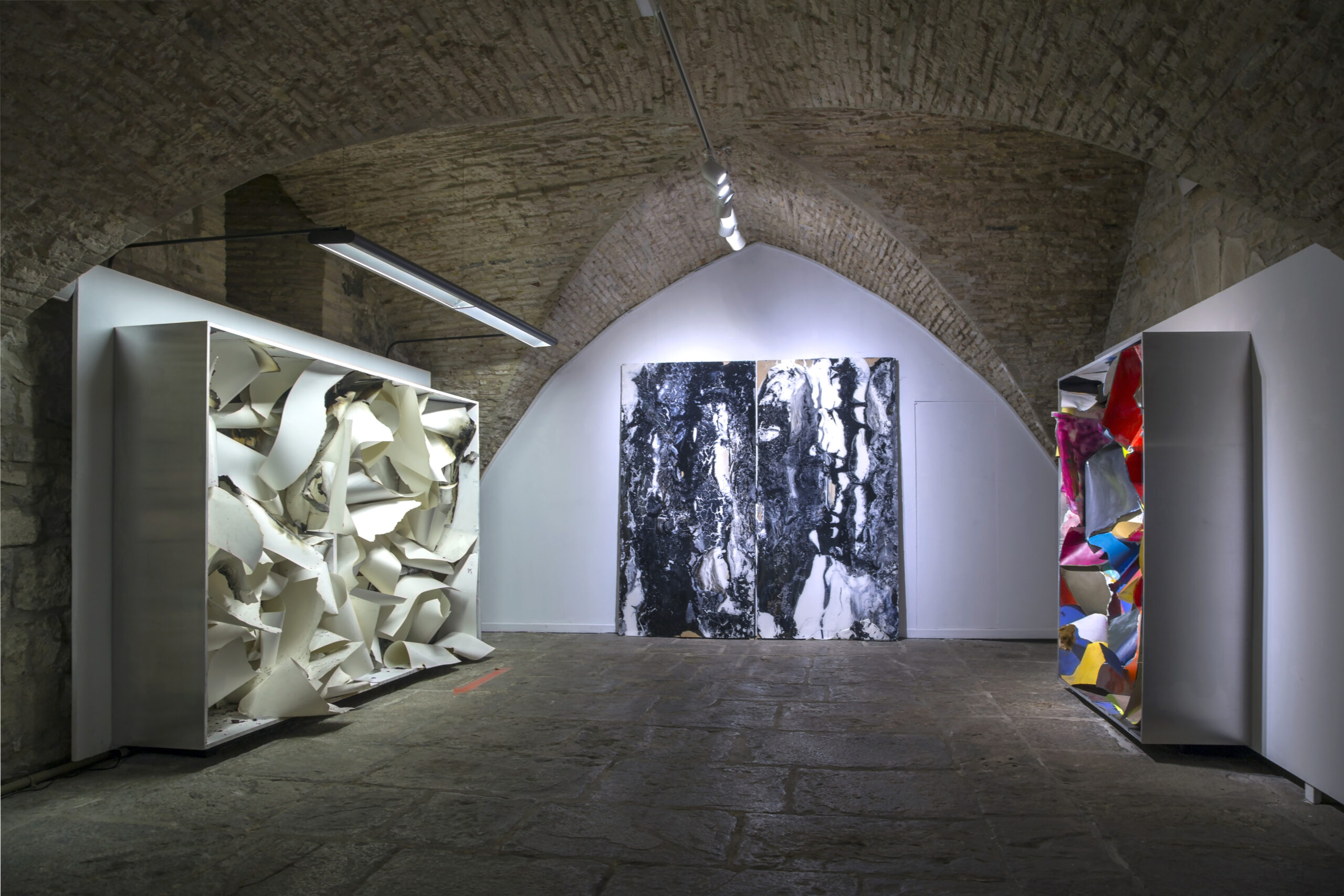
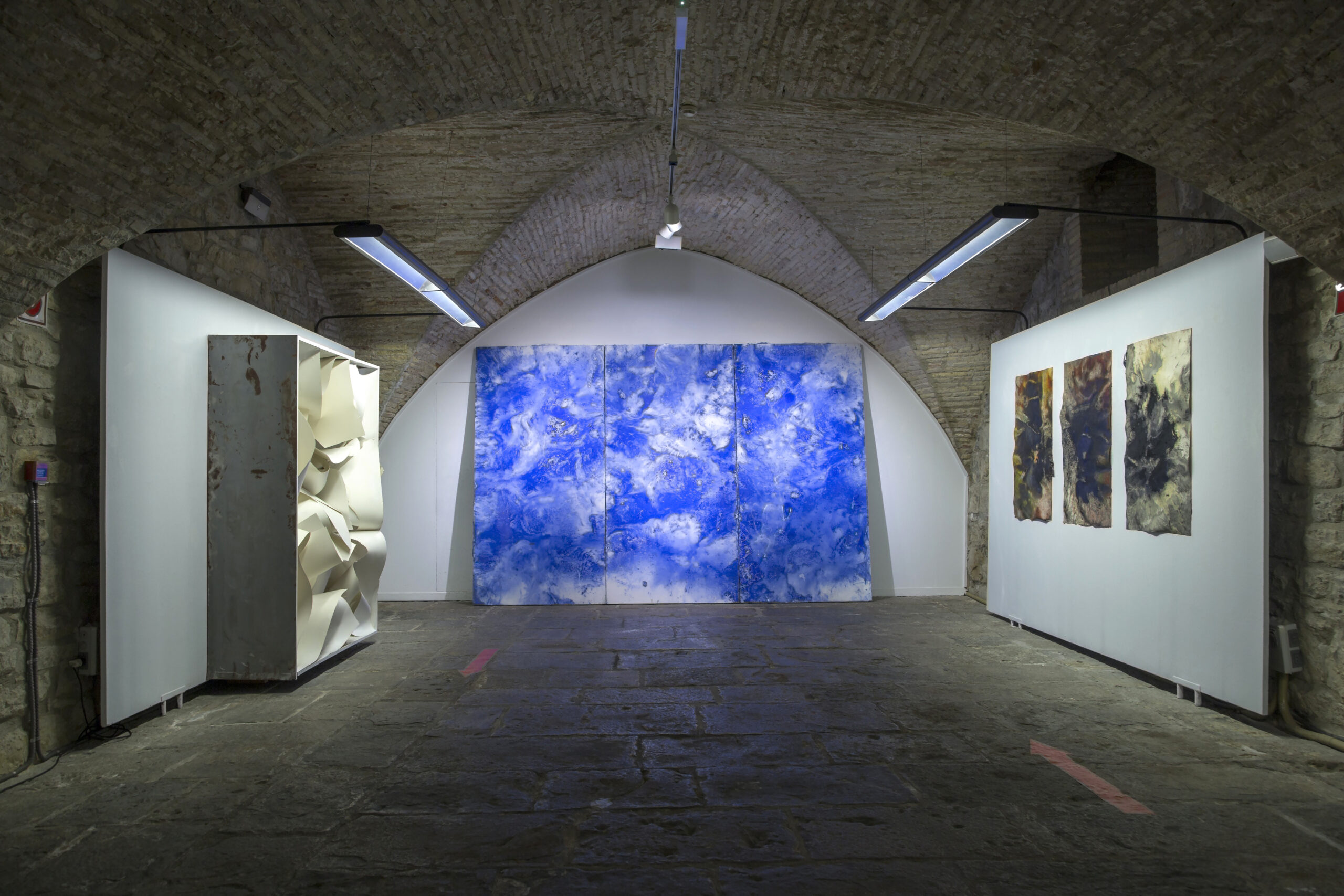
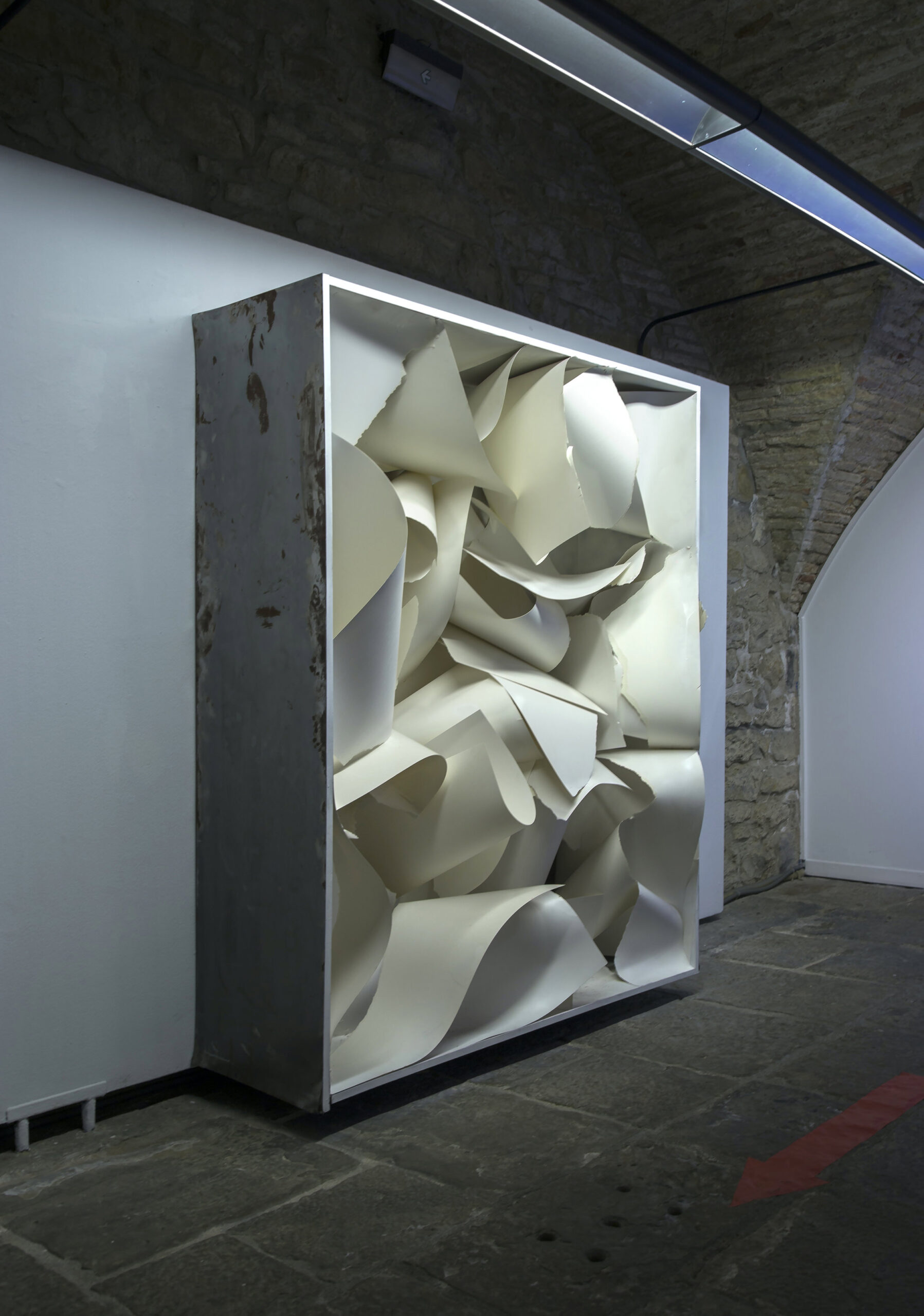
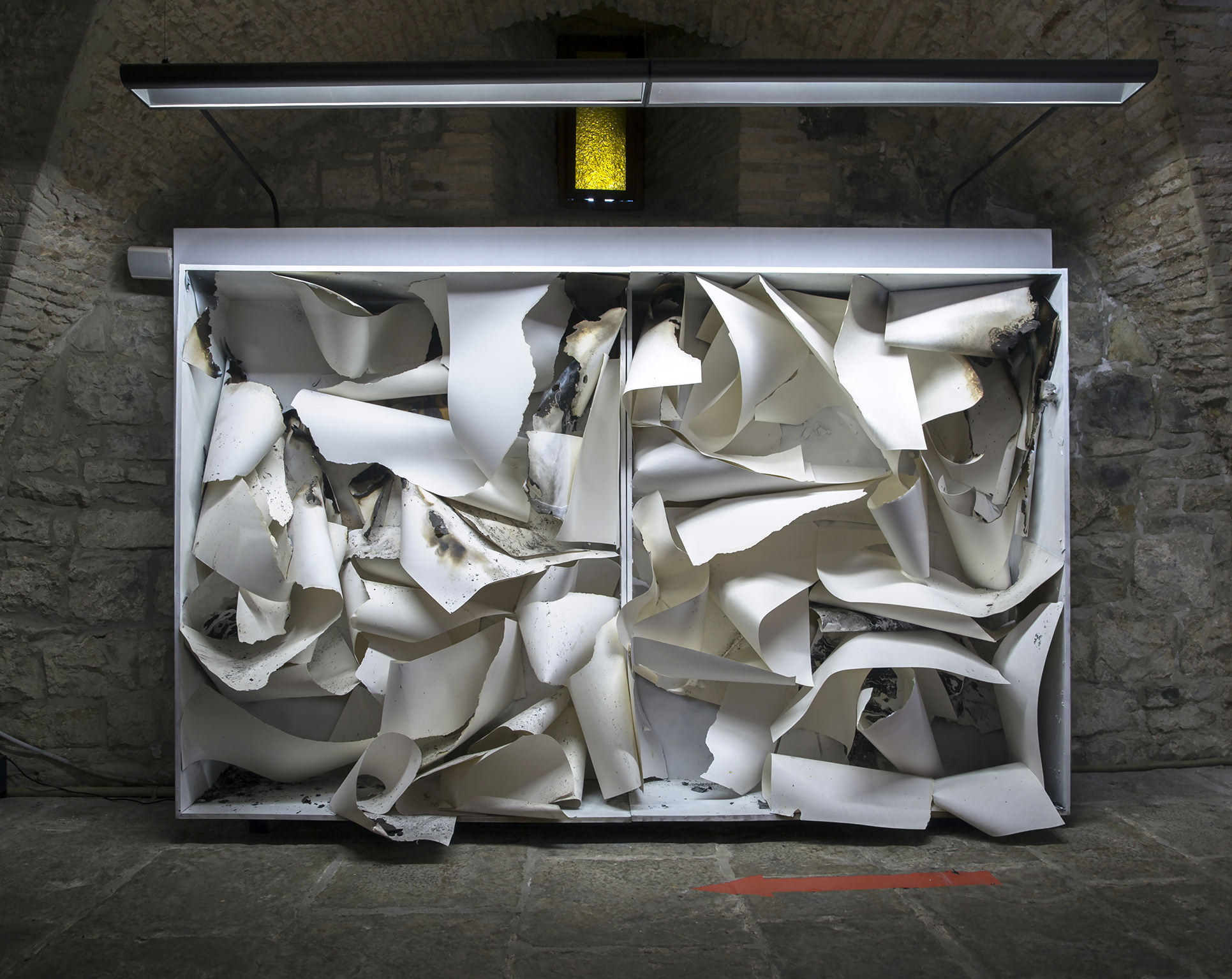
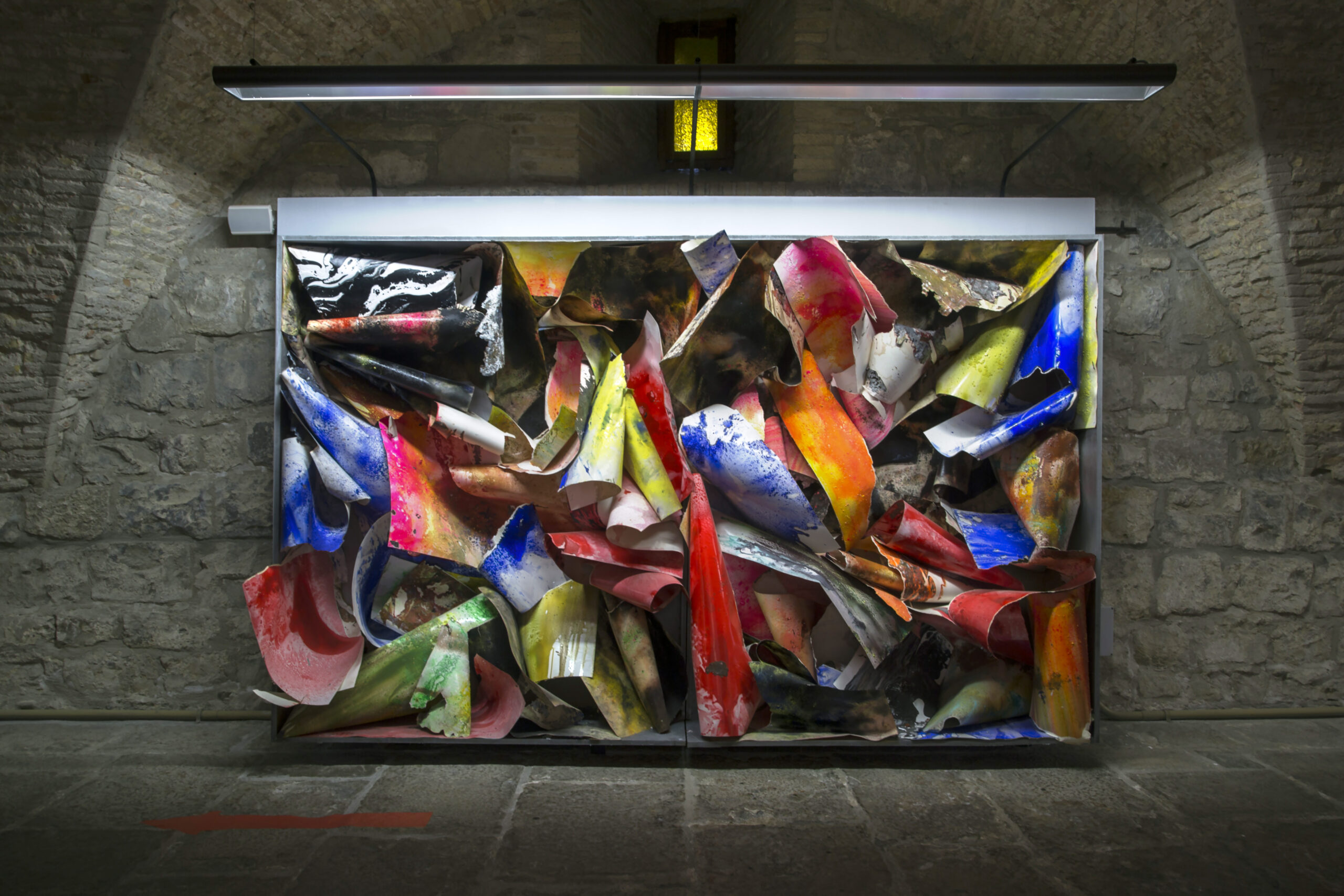
Based on these premises, in the two rooms of the Mixed Pavilion of the Pamplona Citadel we will find that the artist proposes new experiences around the surface and the interior of what we call a painting. The senses are confused by the intestine aspect of his boxes and the skin that covers his paintings, challenging our perception. It is not possible to distinguish if the canvas is the dermis that divides them, or if it gives way to an inner world, because its extension is not finite. In his works, the tissues and colors of the pictorial flesh are intermingled. In some, it is still alive –this is the quality of color,– while in others it appears to be fossils.
The verb “to paint” manifests itself here as evidence of the curiosity that moves him, so the result will always be ambiguous. Roland Barthes says about Bernard Réquichot’s reliquaries, which are the result of looking inward, but do not show the reflection as it appears in the mirror: “What is placed there, at the end of our gaze, like a deep field, is it not the internal magma of the body? Is it not a funereal and baroque thought that regulates the exposure of the previous body, that of before the mirror?” Painting is ‘seeing in order to believe’, but not in the merely visible, but in the limitless forms that the artist builds along his own path. Hence the title of the exhibition:
Something looks through all the windows.
Inward or outward.
Something passes through all the doors.
Outward or inward.
Being cannot be affirmed.
Non-being cannot be affirmed.
Only that which looks through all the windows.
Only that which passes through all the doors.
Roberto Juarroz
Alejandro Martínez
Director Galería Martínez & Avezuela
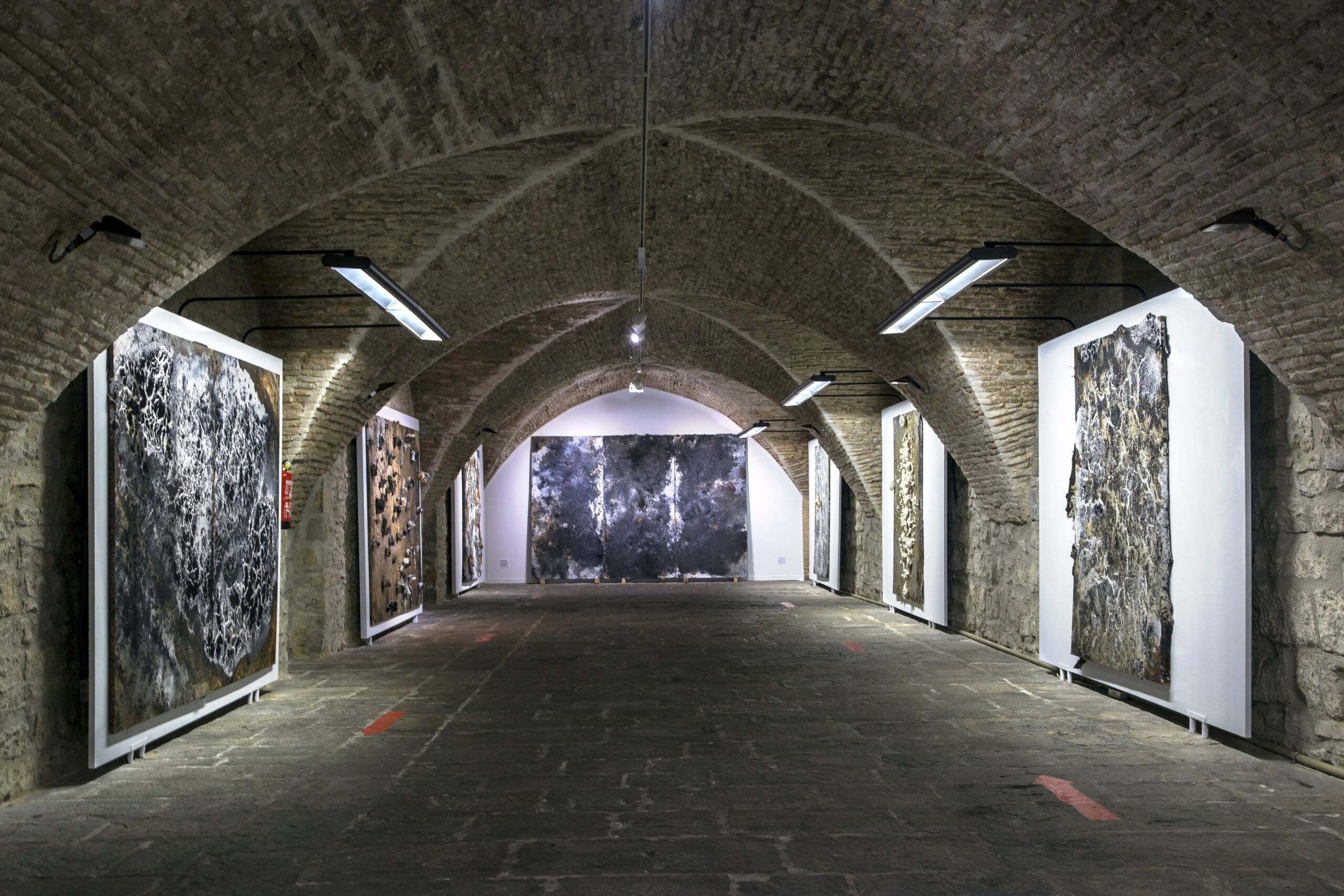
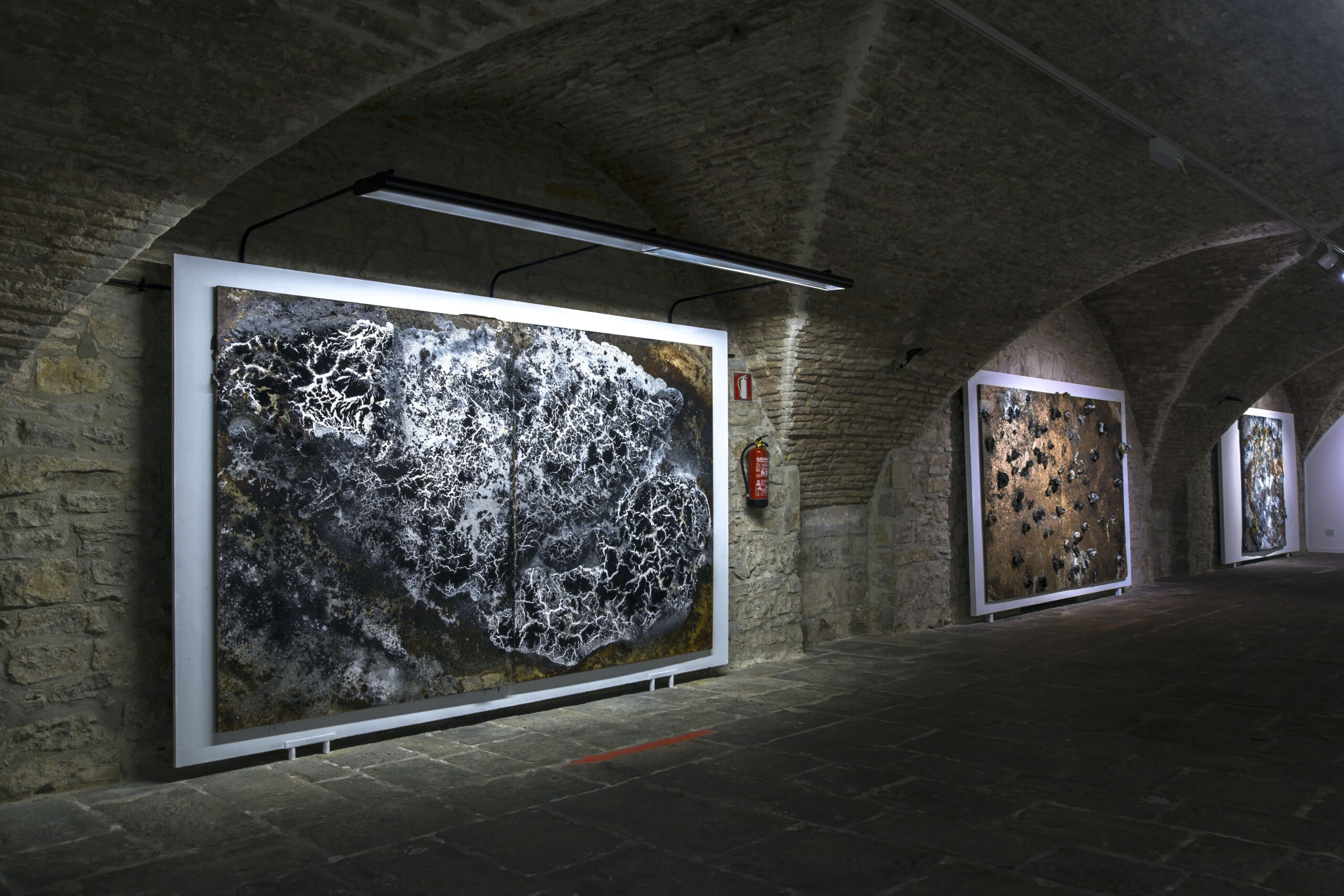
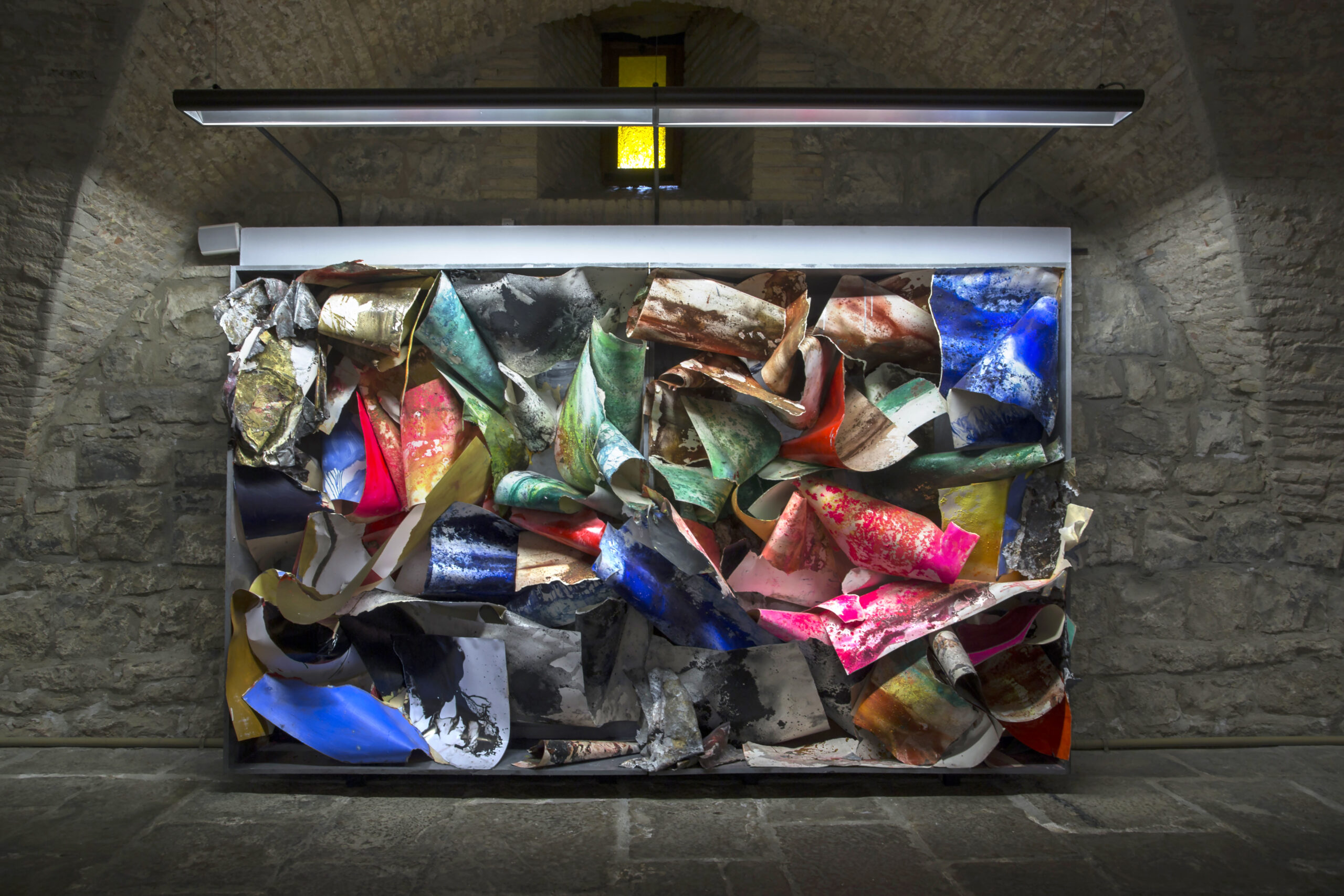
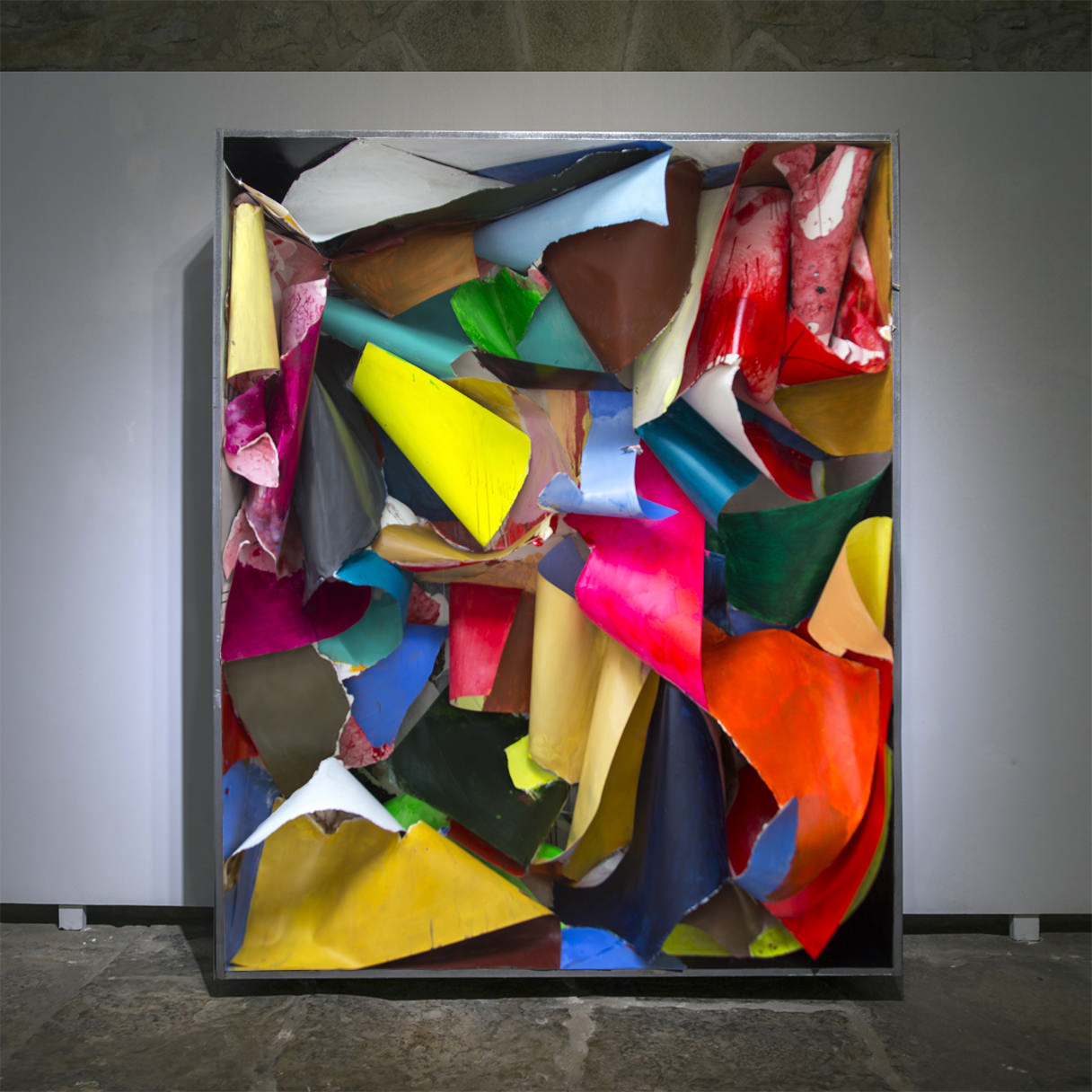
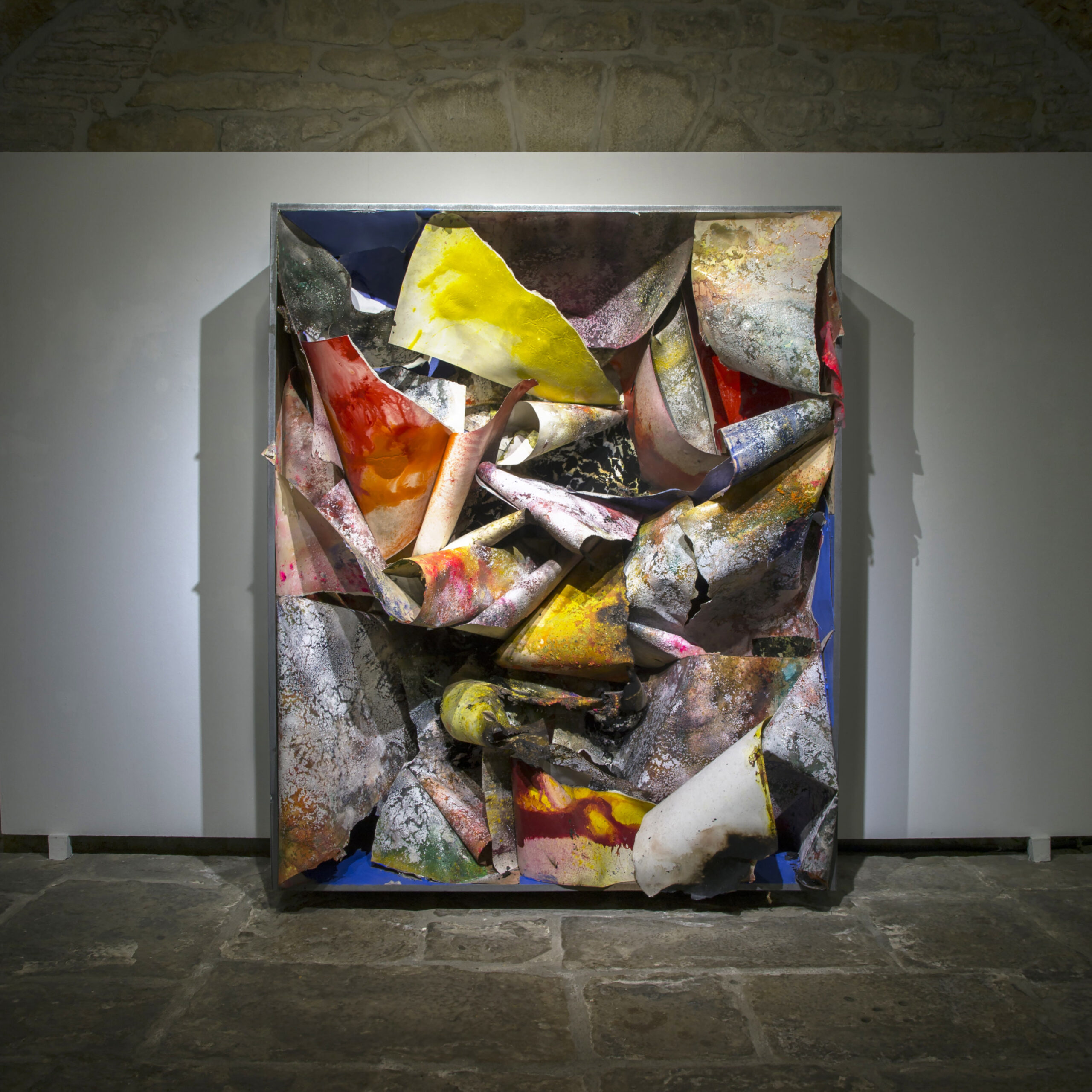
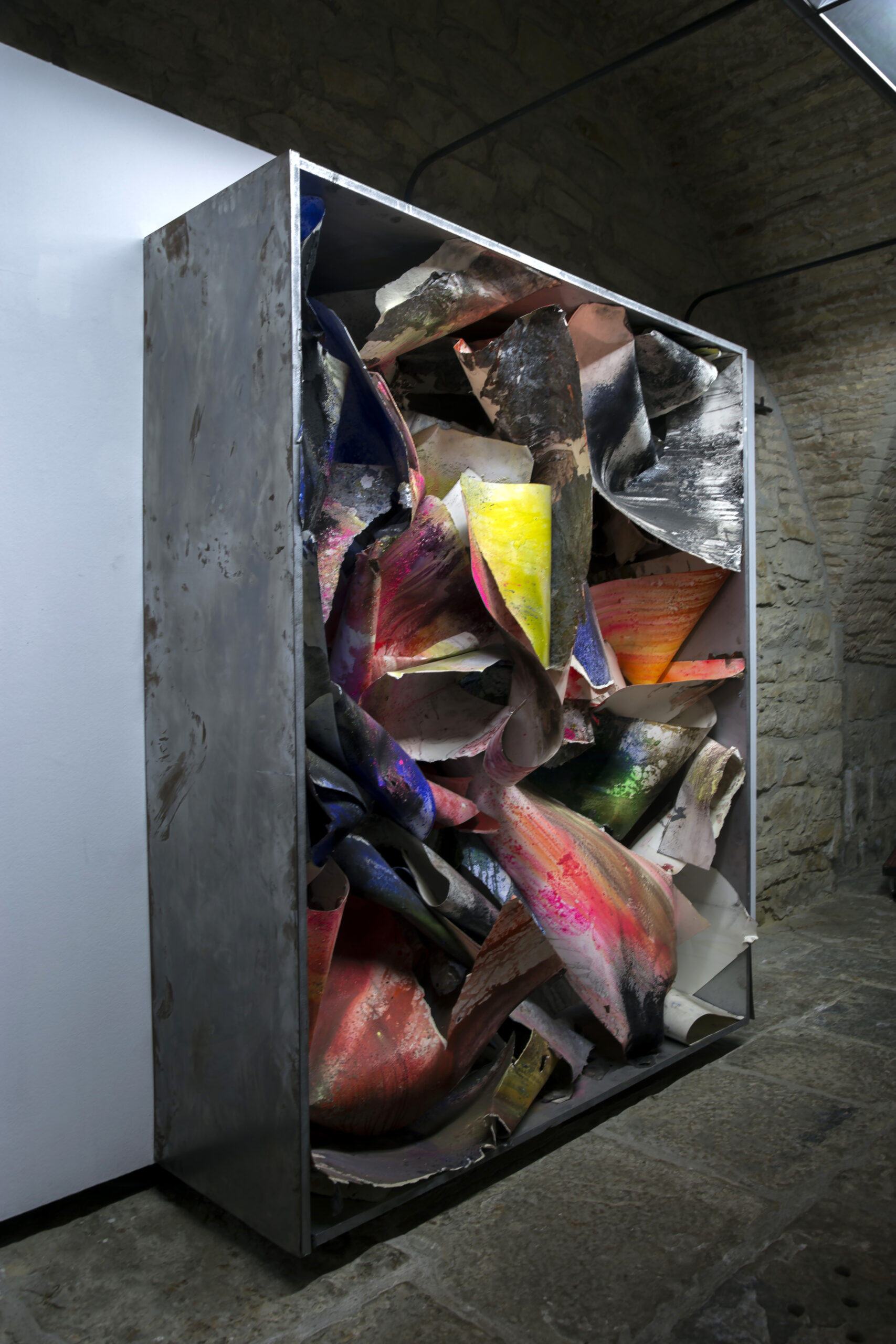
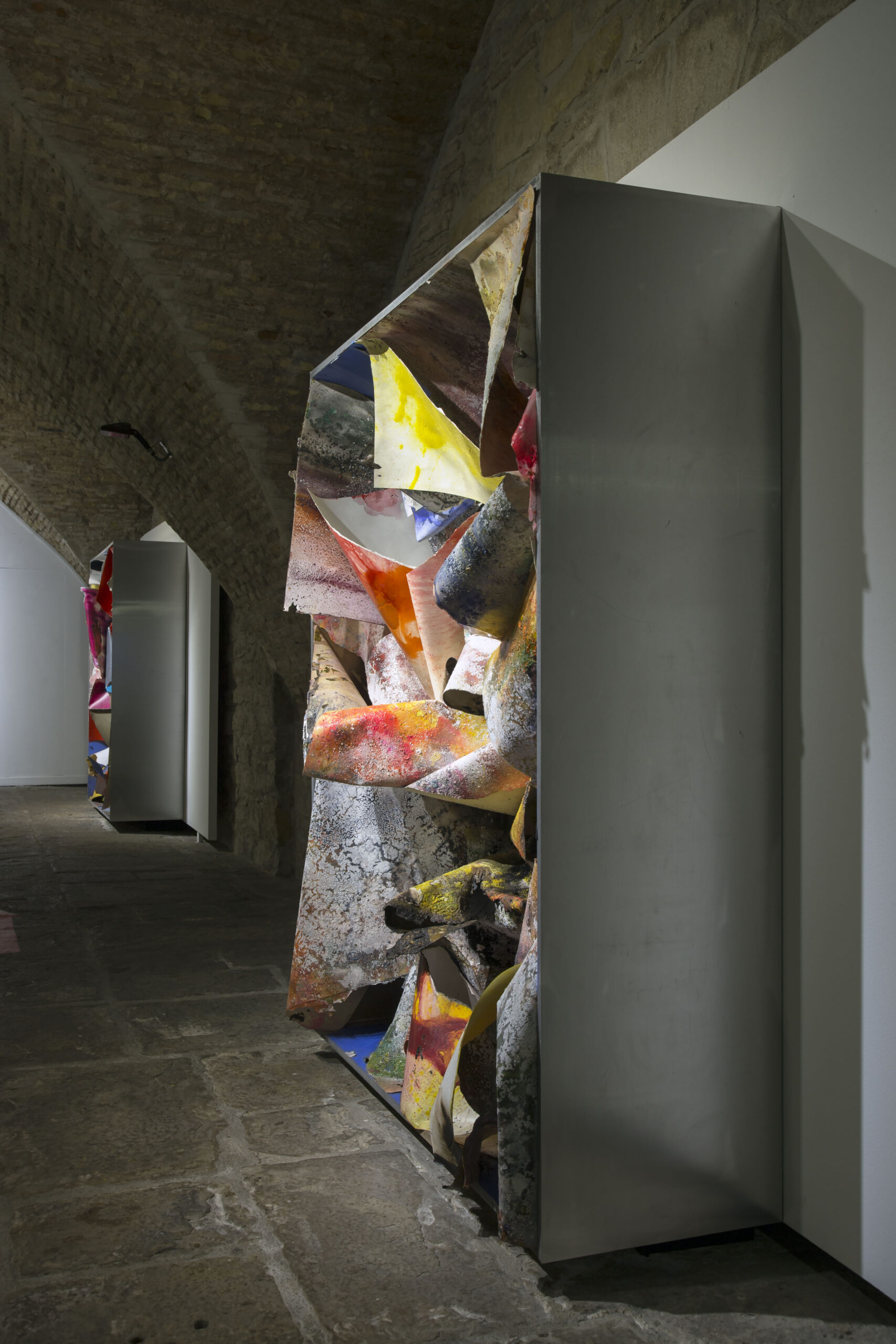
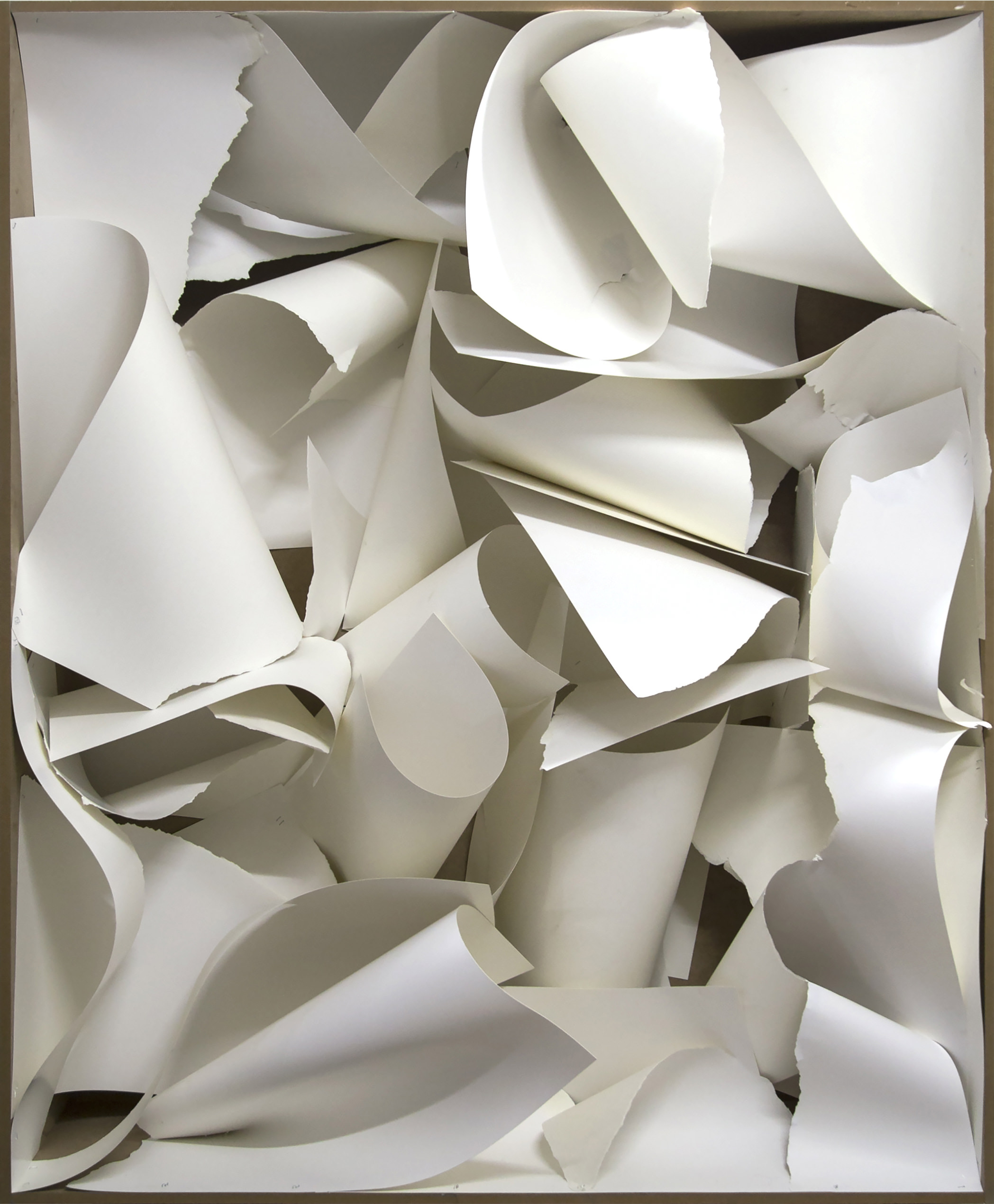
162 cm x 50 cm x 200 cm
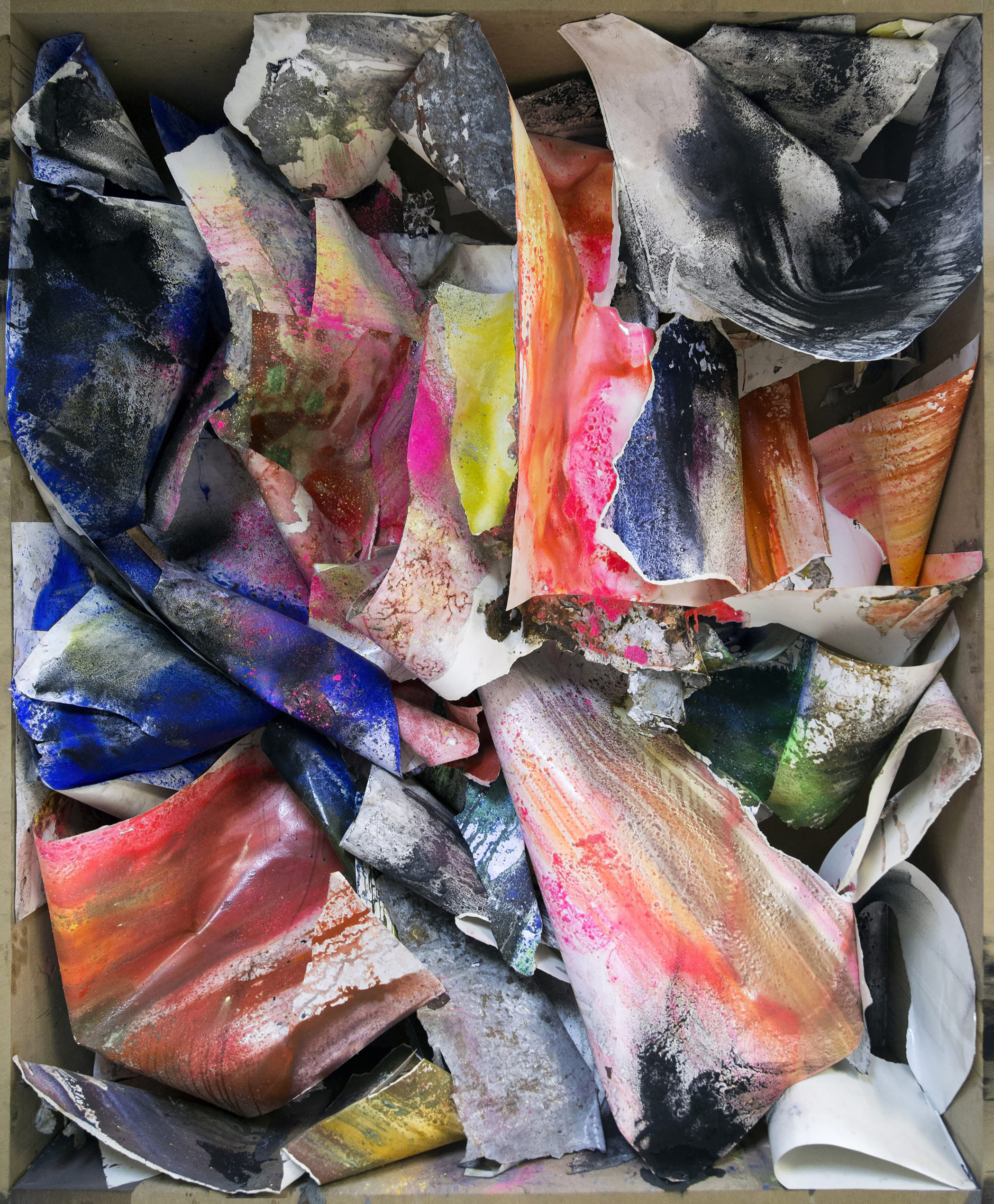
162 cm x 50 cm x 200 cm
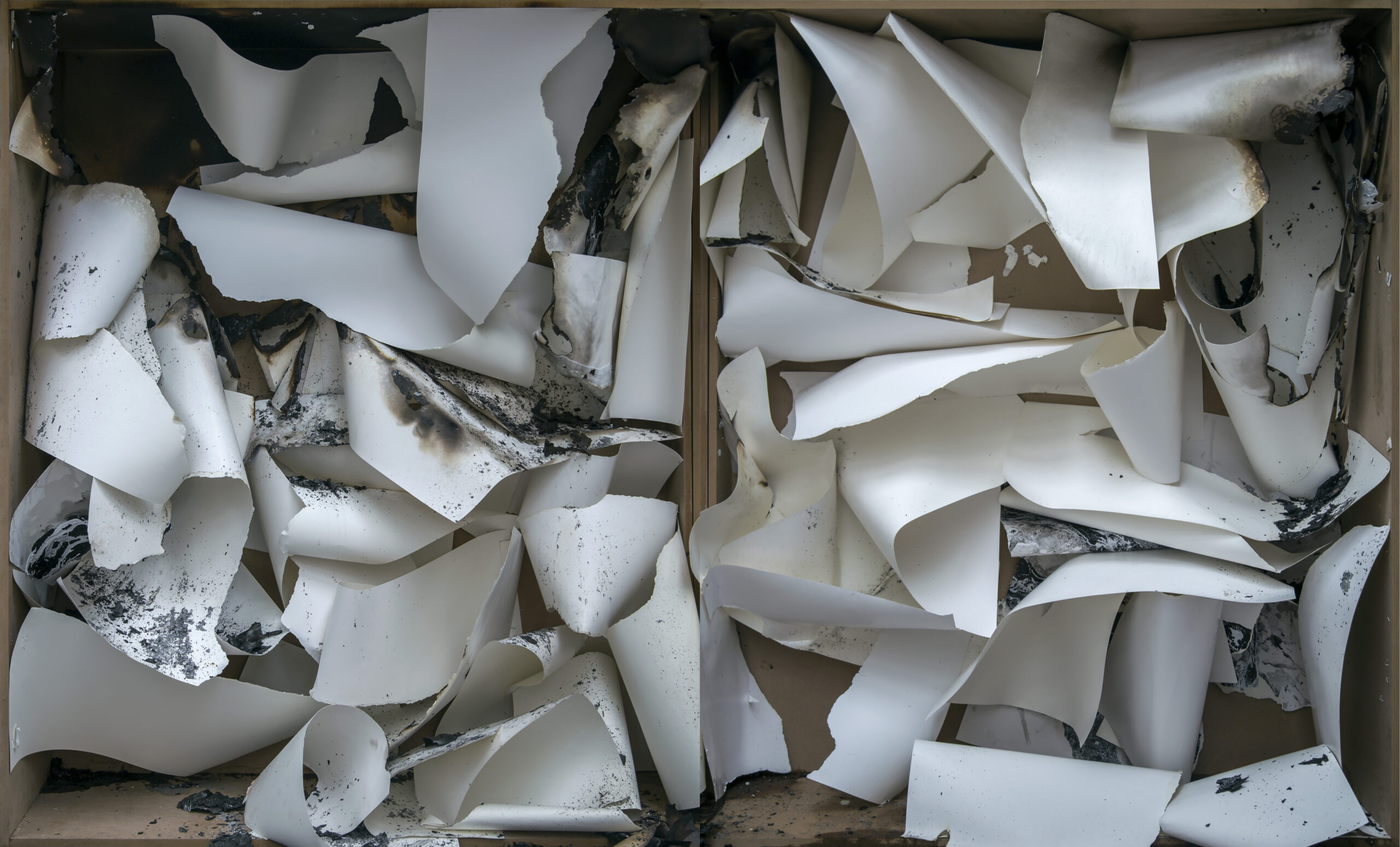
324 cm x 50 cm x 200 cm
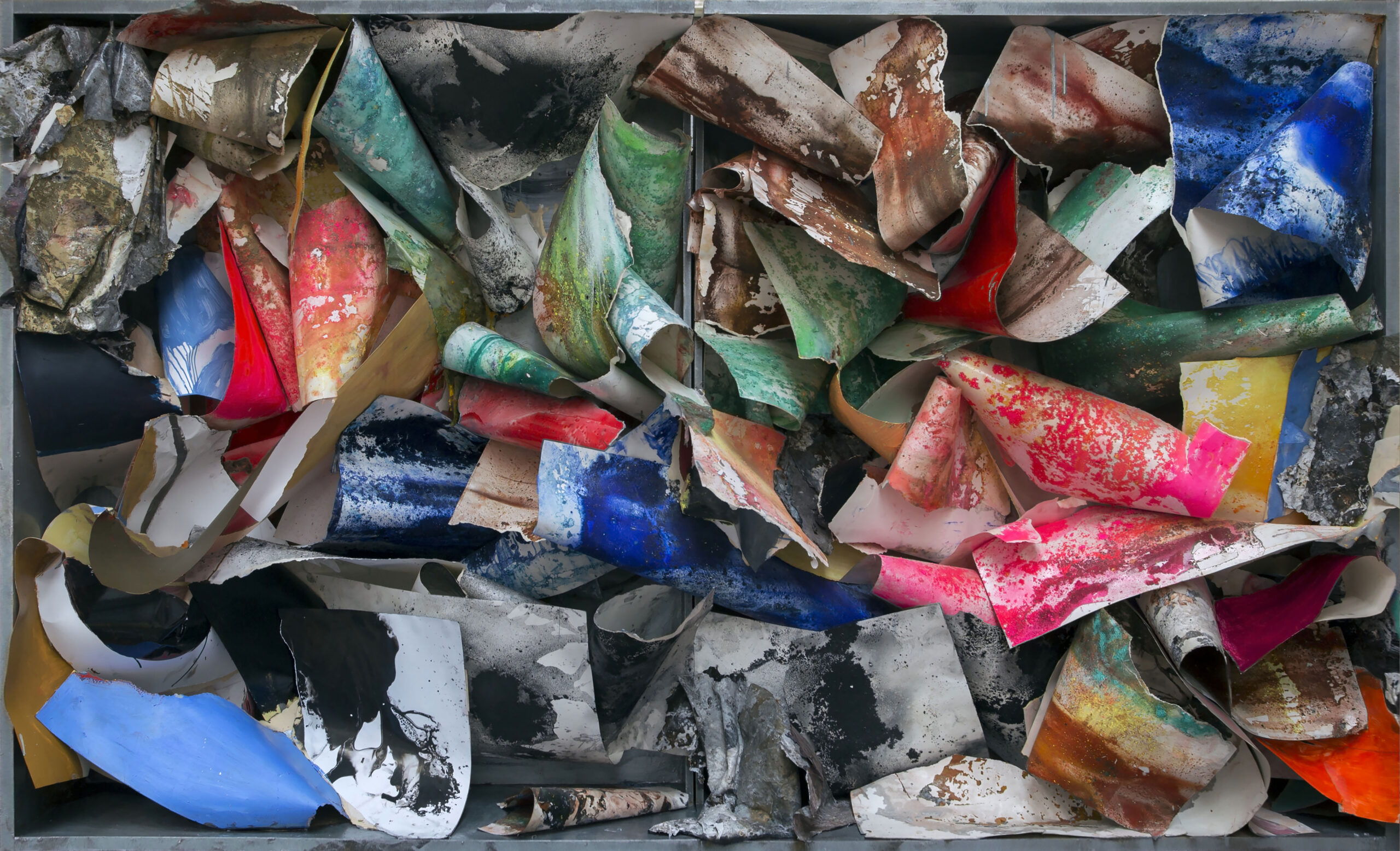
324 cm x 50 cm x 200 cm