Rituals of The Imaginary
Artistic residency in Arantzazu, Guipúzcoa, Spain
October | December 2016
Matter is the unconscious of form. The task is not so much to describe forms as to weigh matter.
Gaston Bachelard
CESAR BARRIO’S POETIC INSTANT AND FLUID PAINTING
In his reflections on the lost memory of things, Trías points out that in a world in which nature seeks to hide itself from our eyes and to mute itself against our ears, the philosophical reflection can only lean on, as a primary experience, on the experience of the absence of experience, on the experience of the void left by things which have escaped or disappeared: “Only with a certain distance in respect to the real world –according to Eugenio Trías- is it possible to approach a lucid understanding of the same; only leaving behind a world which originates from the collapse of itself in which things inhabit and lead us to a revelation of the void and the consciousness of the absence that sustains this world in which we live. But that distance must be confronted with a life consciousness of that world without things, since it is only there that traces and remains can shine from that which fled or perhaps is to come. Today ́s philosophical experience has, therefore, in view of the lack of things, and in the memory and hope which that deficit, painfully felt, unleashes its mundane support”. That “spiritual agoraphobia” of which Worringer speaks in his book Abstraction and Nature, corrects the current vision about our time as a memory crisis, with an absence of the specific which leads to a totalitarian vision. Art, as we know since the Romanticism, and as it is apparent in Cesar Barrio ́s paintings is, to a certain degree, a memory of the sublime feeling towards nature ́s overflow. Perhaps, the contemporary chaos of creation, manifested in the sedimented paintings under methacrylate of the recent compositions by Cesar Barrio, is an allegory of nature, when it is already uncontrolled.
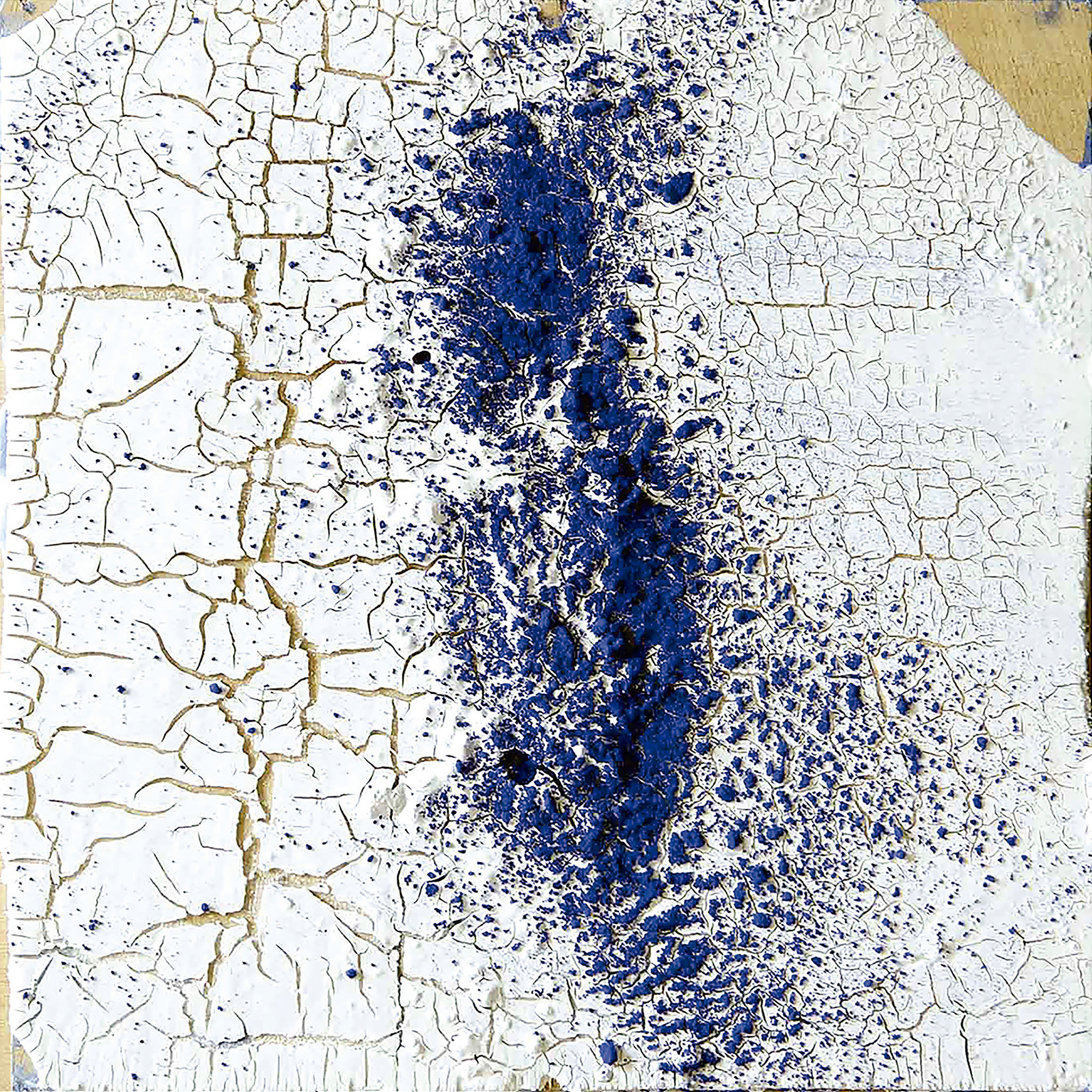
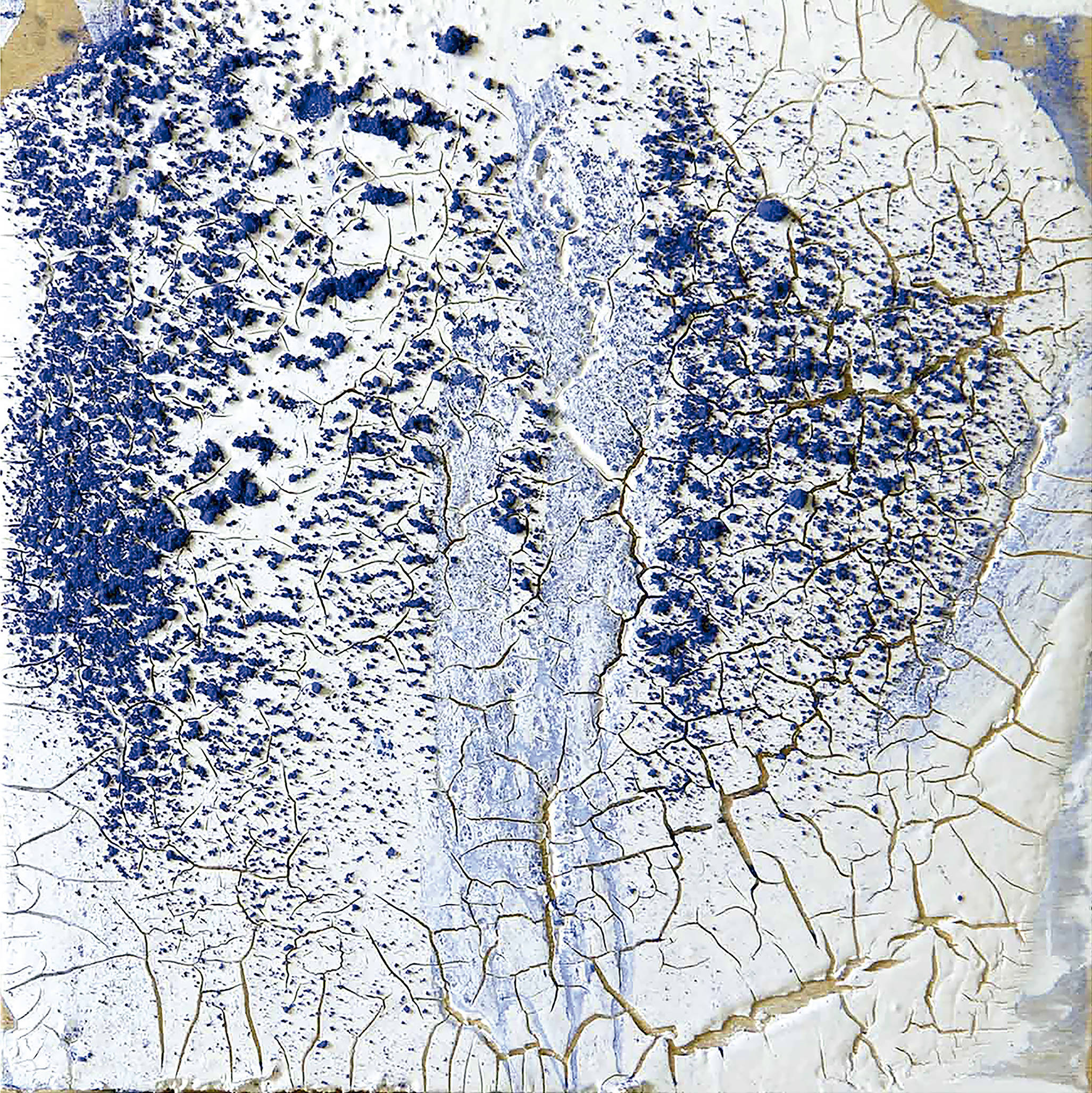
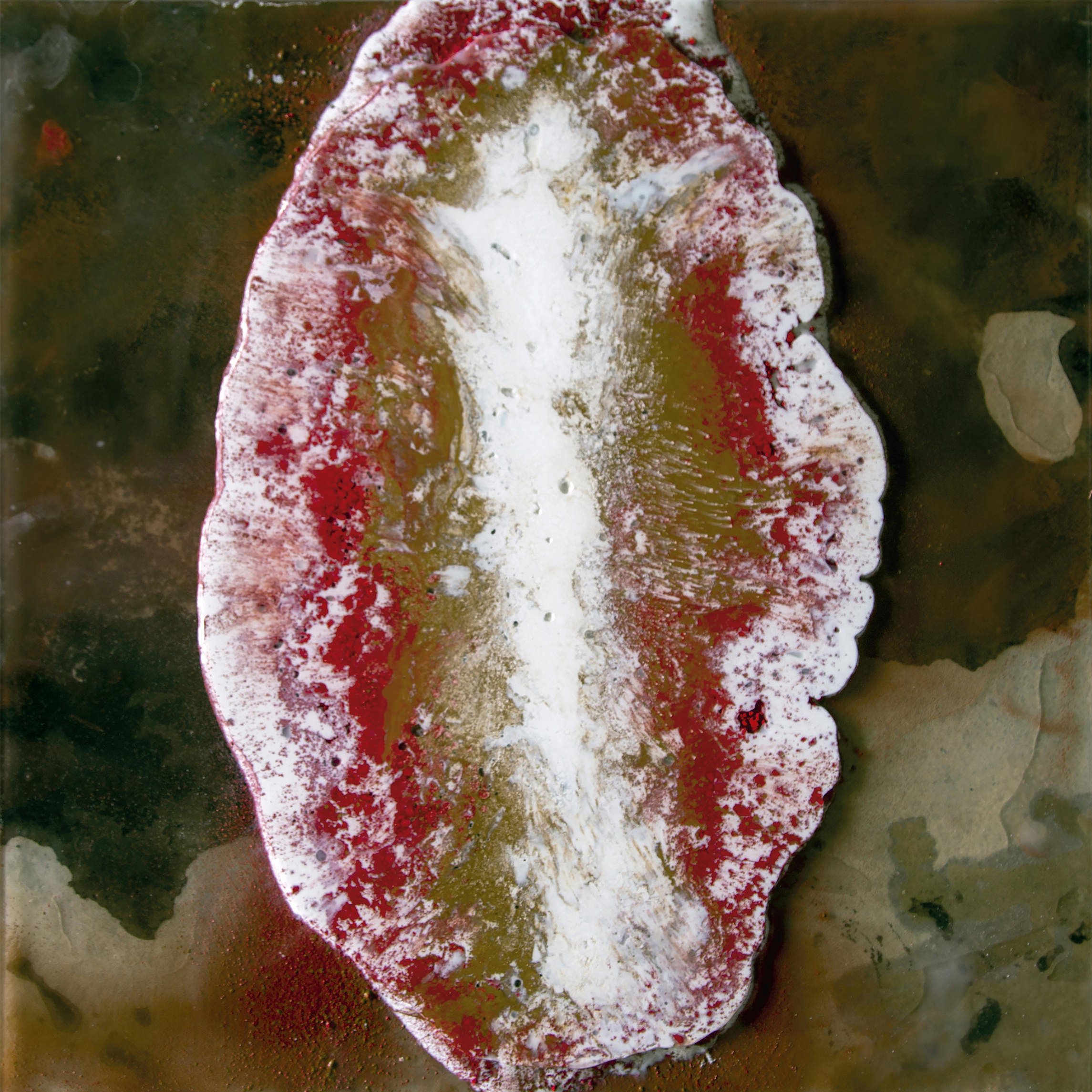
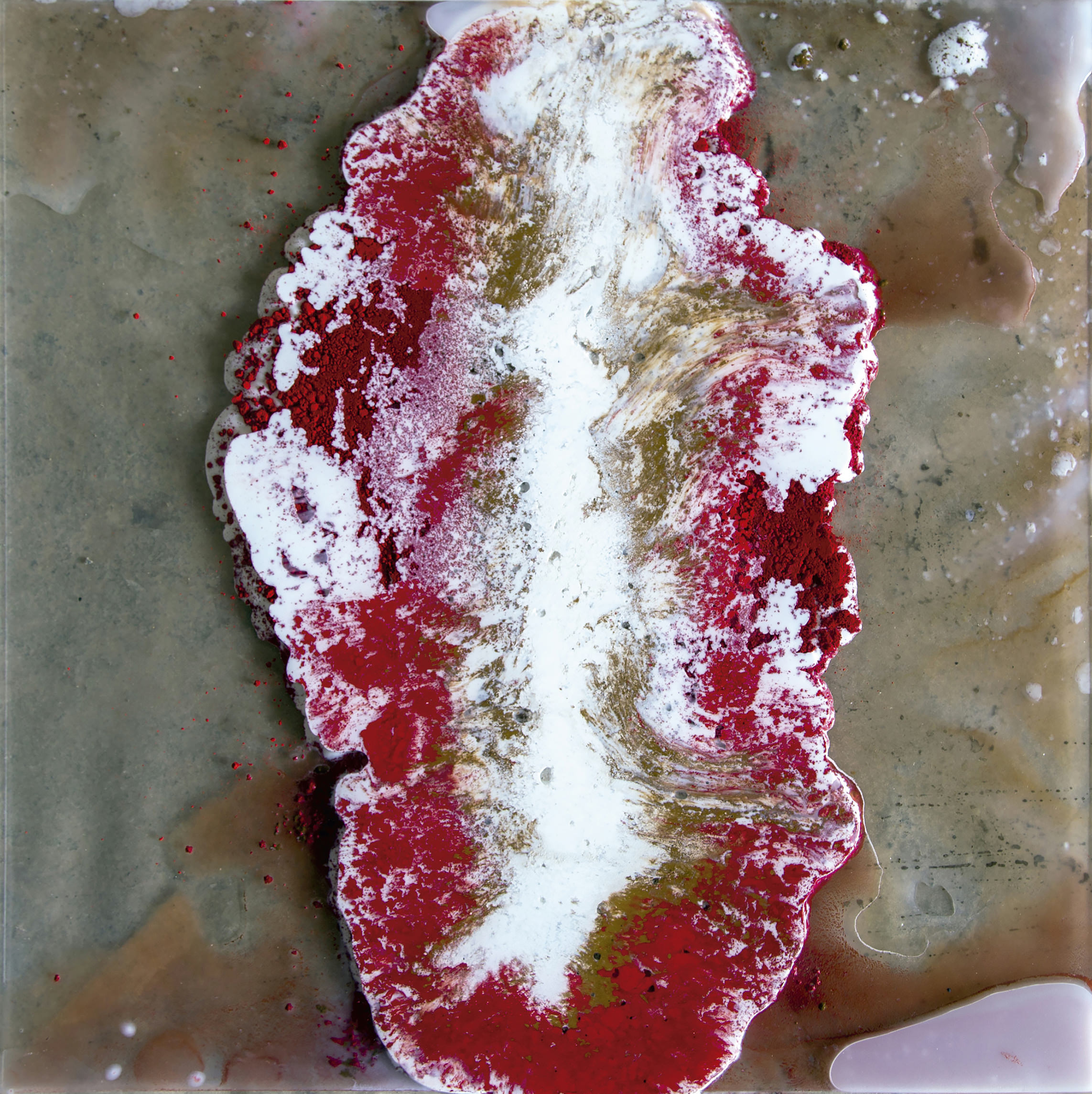
Cesar Barrio ́s pictorial work revolves around, symbolically, water and its oneiric and vital power. It deals with the avoidance of the idea of water as something associated with vain destiny, of a non consuming dream, which locates itself as an essential life experience, as a random game of waves that, as stated by Gaston Bachelard,” transforms endlessly the substance of being”. Water like that in which Heraclitus thought, when he stated that we can not bath twice in the same river, melting the subjectivity in the passing element (identity is reflected and dissolves in the water ́s core) leaving a trace of silt. Immerging in water means a return to the preformal, in its dual sense of death and dissolution, but also of rebirth and new circulation, since immersion multiplies the potential of life. Birth is usually expressed in dreams, as Freud pointed out, by means of water ́s intervention. In Cesar Barrio ́s painting we find references made to water and its displacement, allegories of that element to the transitory but also to the finite: Water is the “transparent depth” something that communicates the superficial and the abyss, therefore you could say that this substance crosses the images. The metaphor of water used by Cesar Barrio, as a crucial and vital element, leads us to evidence the invisible, and this, the unusual and the unheard but, at the same time, is essential to understand the contemporary experience.
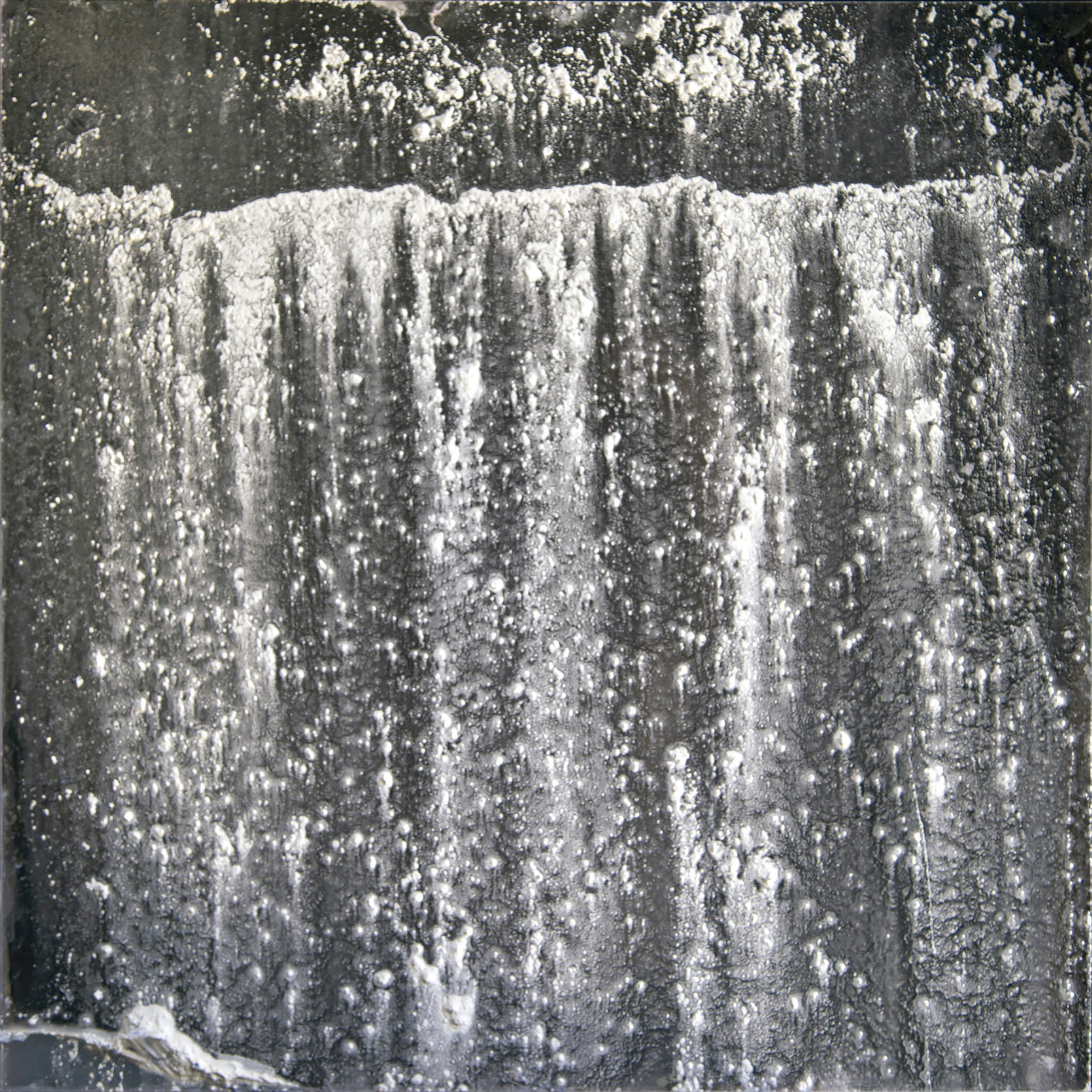
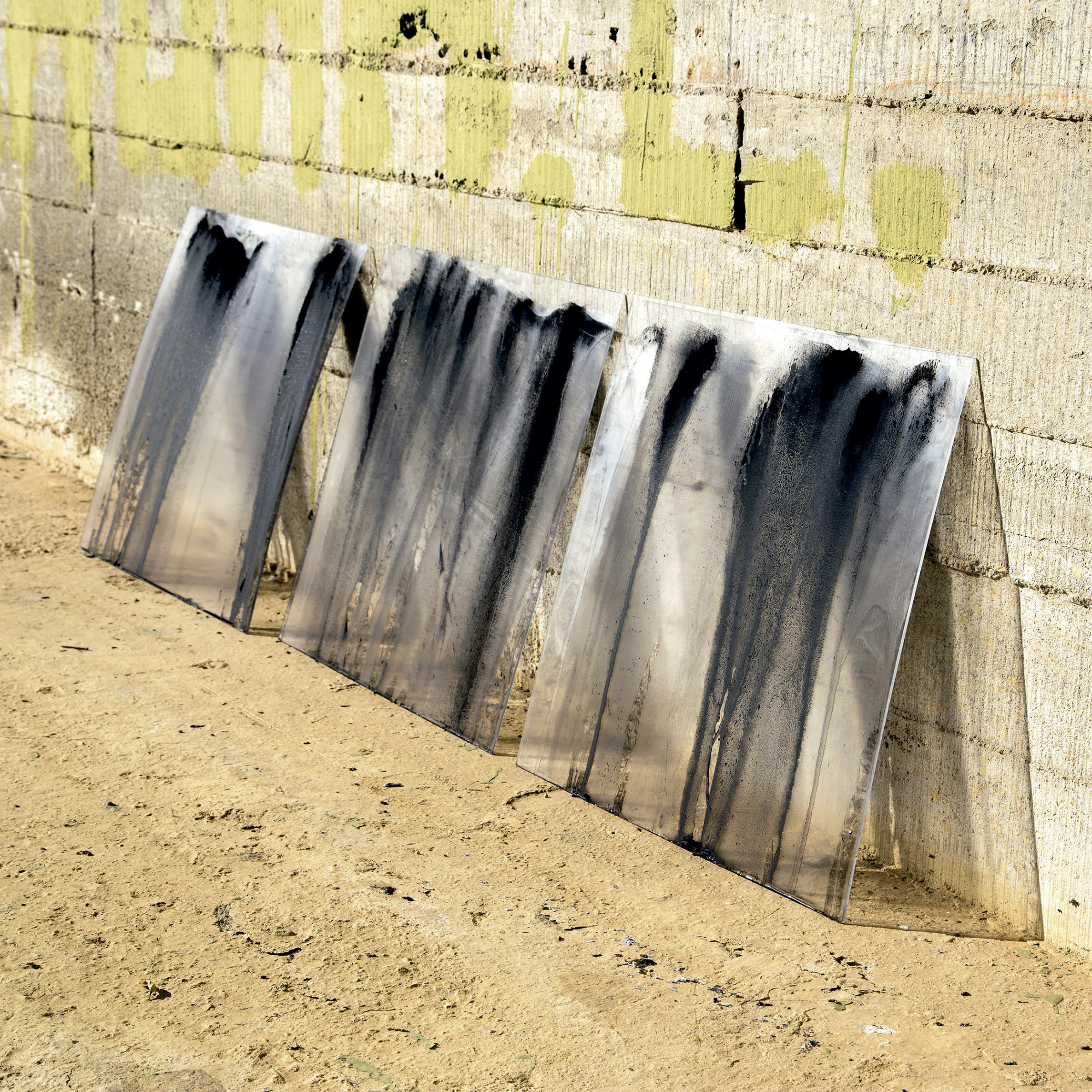
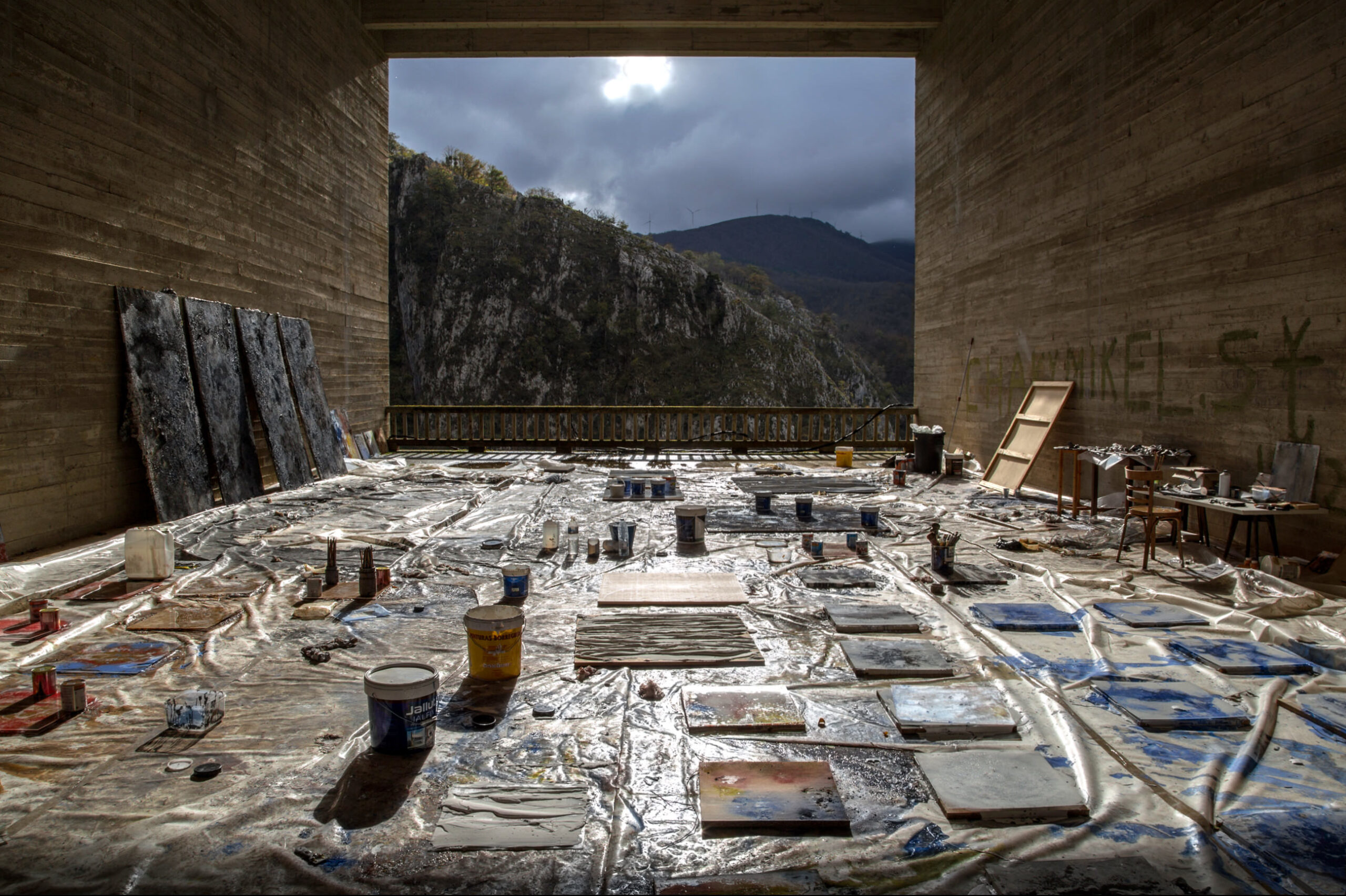
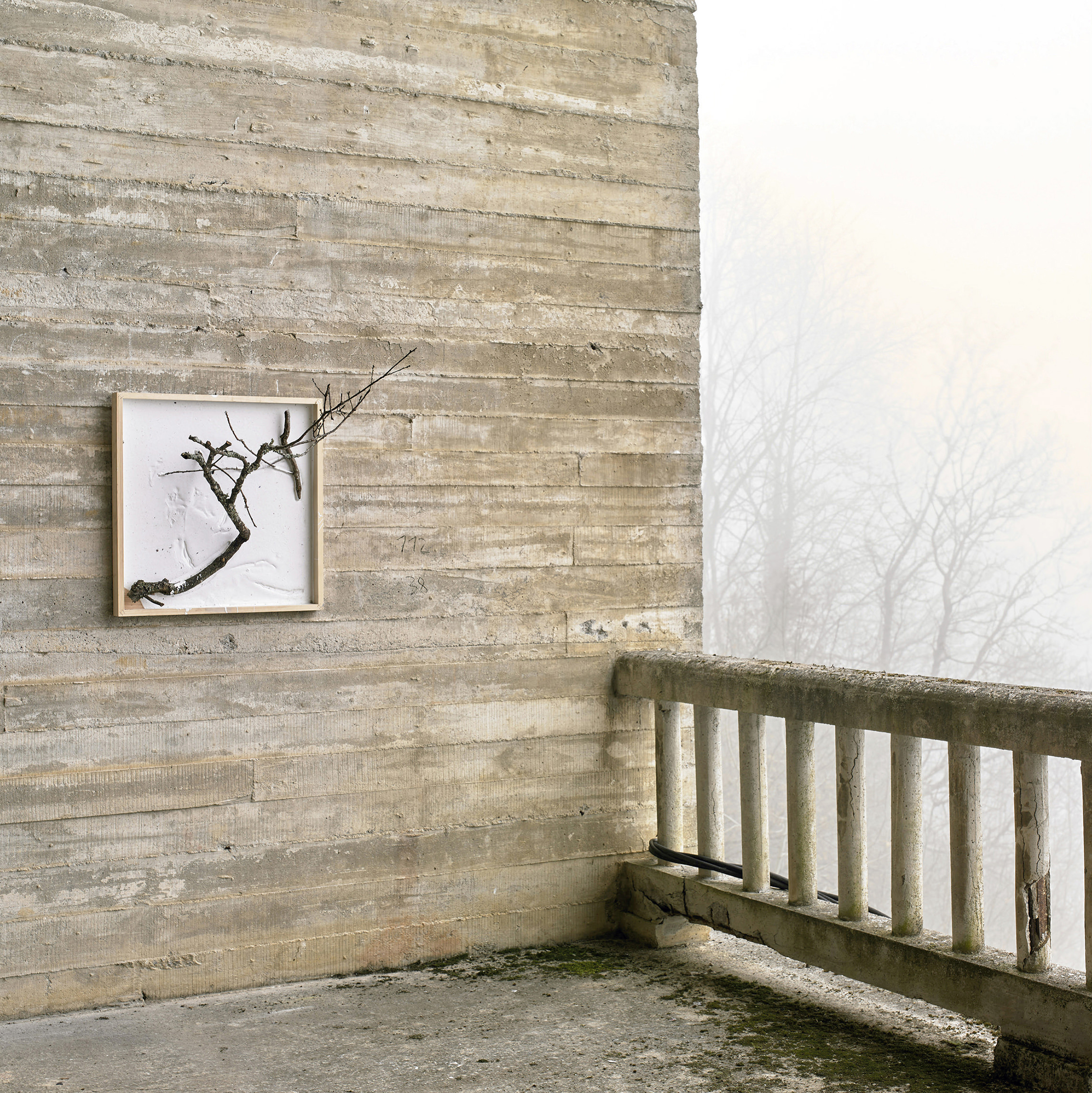
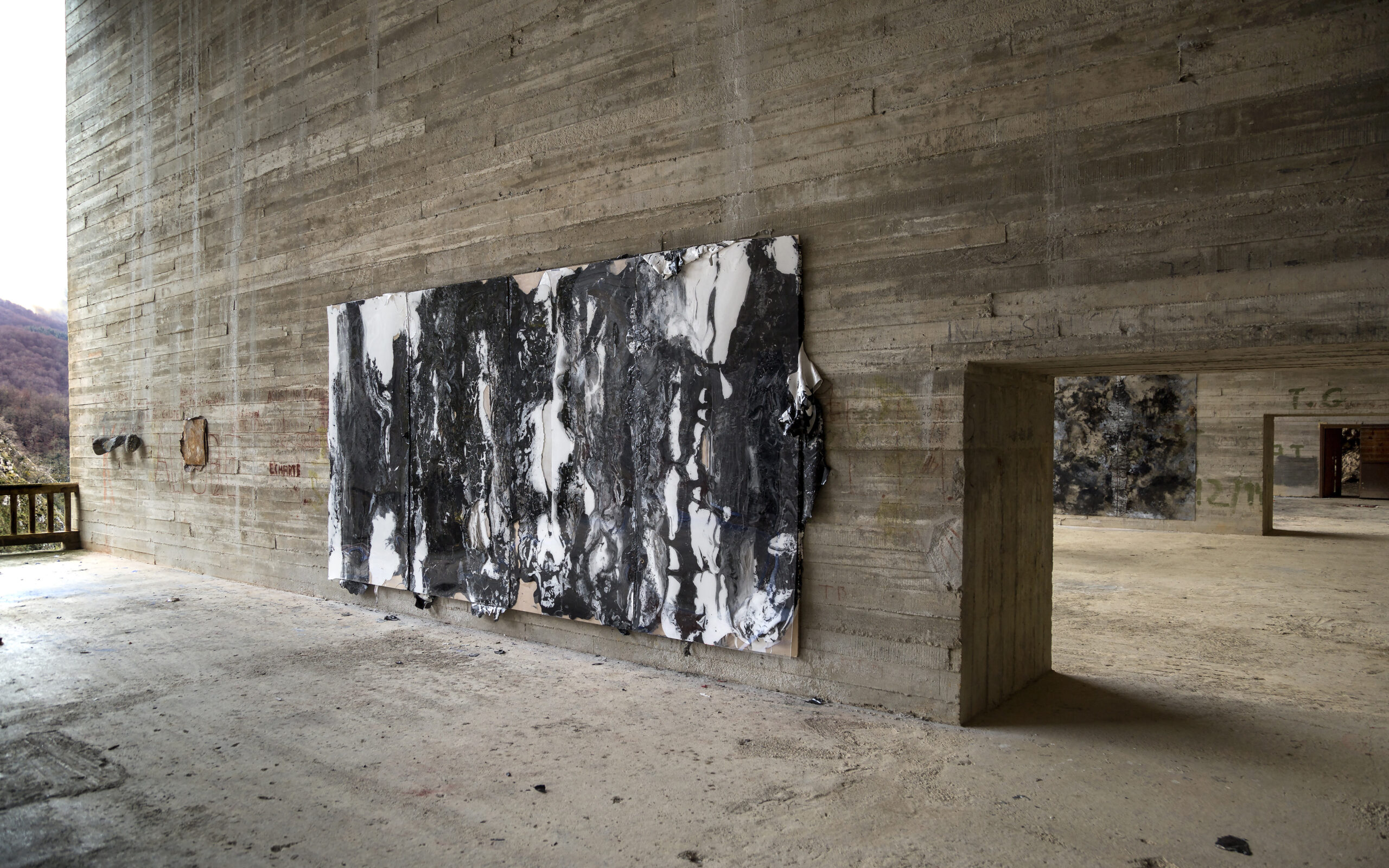
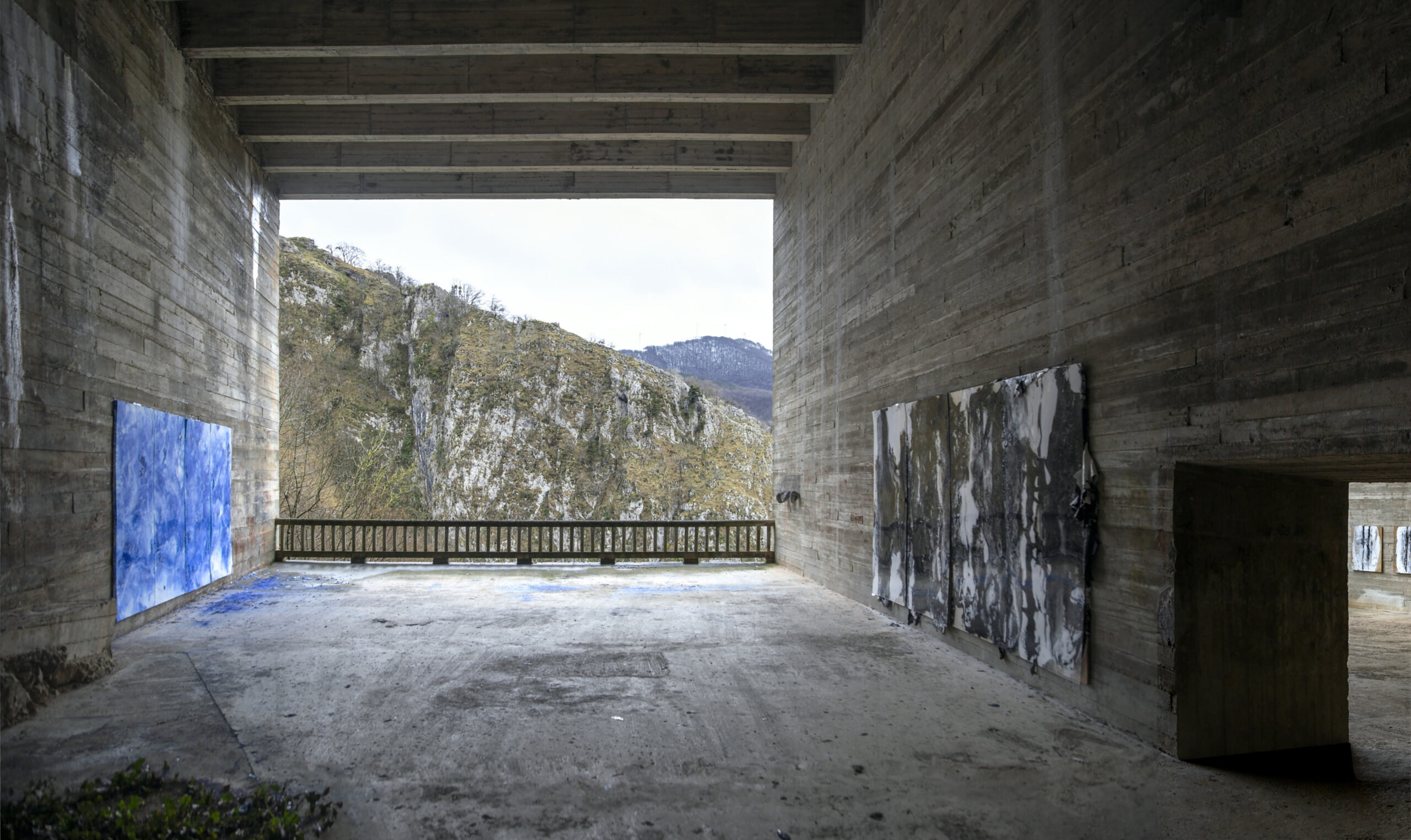
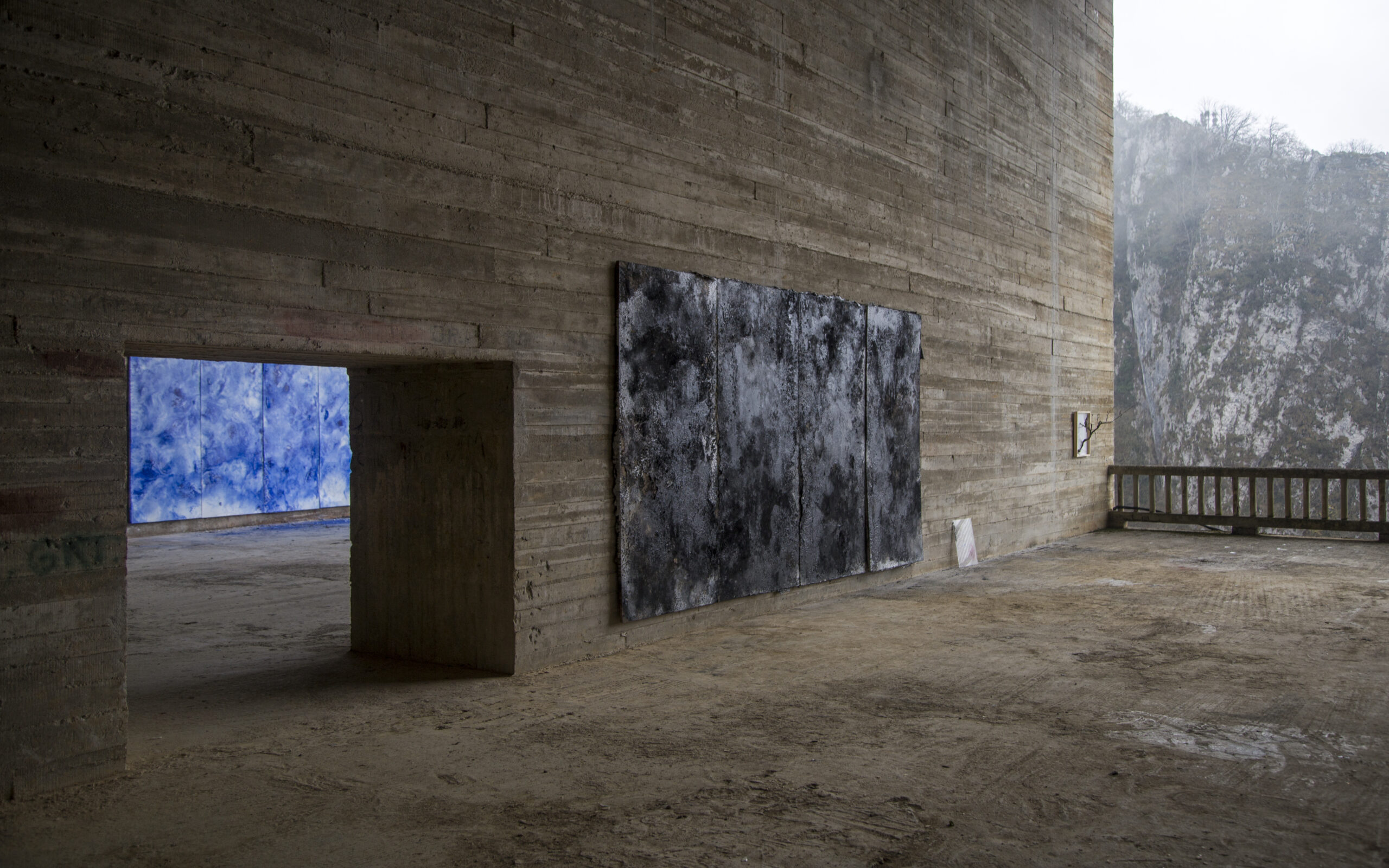
Cesar Barrio has carried out a residency at the space “Cathedrals” nearby the Aranzazu Sanctuary. His beautiful and vigorous paintings made with pigments, resins and varnishes under sheets of methacrylate are the result of an intense dialogue with the surrounding nature. The five large format works which are reproduced in this magazine reveal a truly mature artist who has known how to revitalize the modern aesthetics of action painting without adopting the epigonic condition. With a lyrical sense of color, he manages to combine the voluntary with the random, leaving the painting to be. In art it is more important to look than to see, that is, we need the ”aura”, in the sense established by Benjamin, that was the intense moment in which something “corresponds” with us, an experience which fascinates us but maintains a distance within us, which also happens with Cesar Barrio ́s paintings. The aesthetic experience is a space of desire which offers us simultaneously, proximity and separation. “We -says Nietzsche- always want to live the experience of a work of art! Therefore, we have to capture life so that this desire is nurtured by any of its parts! That is the main idea”. Bachelard, a crucial influence for this painter, stated that the oneirically defined first house should maintain its shadow, being a kind of memory of the primitive refuge; but beyond the situation lived it is necessary to discover the dreamed events: To open once more the territory of fundamental aquatic images which in a certain sense, have been the fixation of recollections which remained in the memory. The time of sensation, like everything that truly touches us, leaves our spirit in suspense, which leads our gaze searching for the appropriate angle, hoping that the instant will open up like a gift. Cesar Barrio ́s paintings deliver the gift of the instant and also make reference to the flow of time, inviting us to contemplate that “nature” subdued to the rules of art and, above all, imposes an admirable poetical presence.
Fernando Castro Flórez
Published in Ars Magazine no 34, April-June 2017
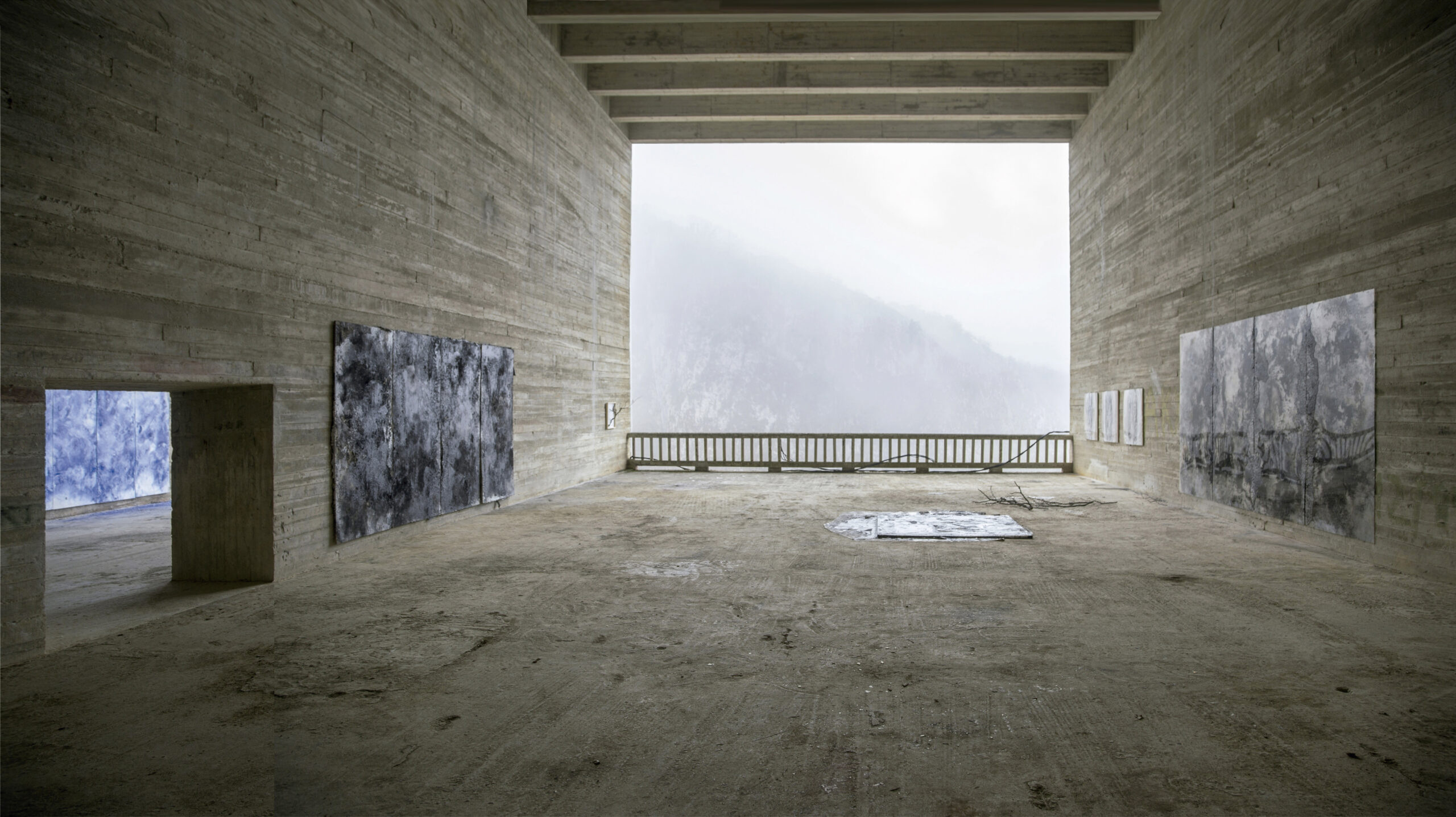
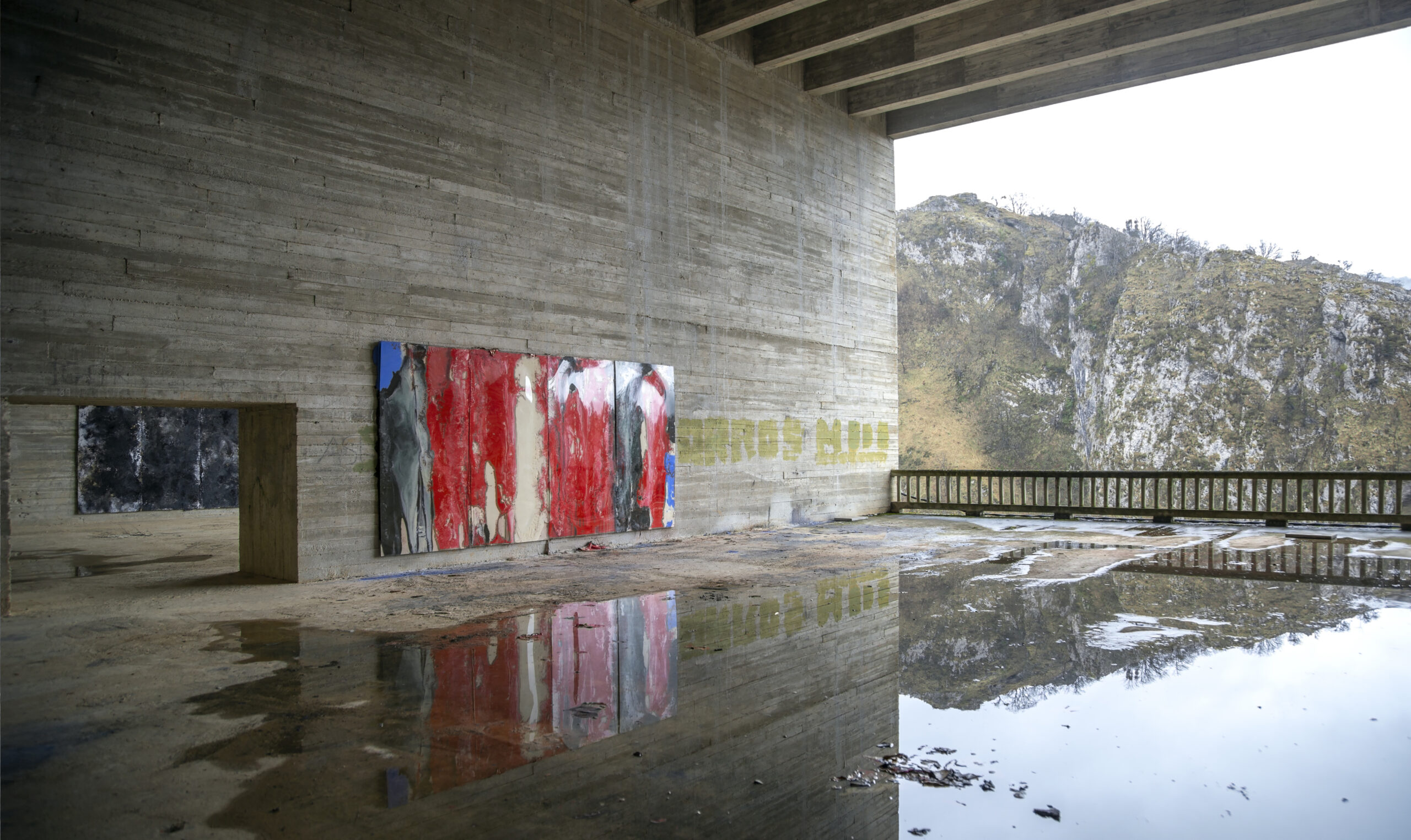
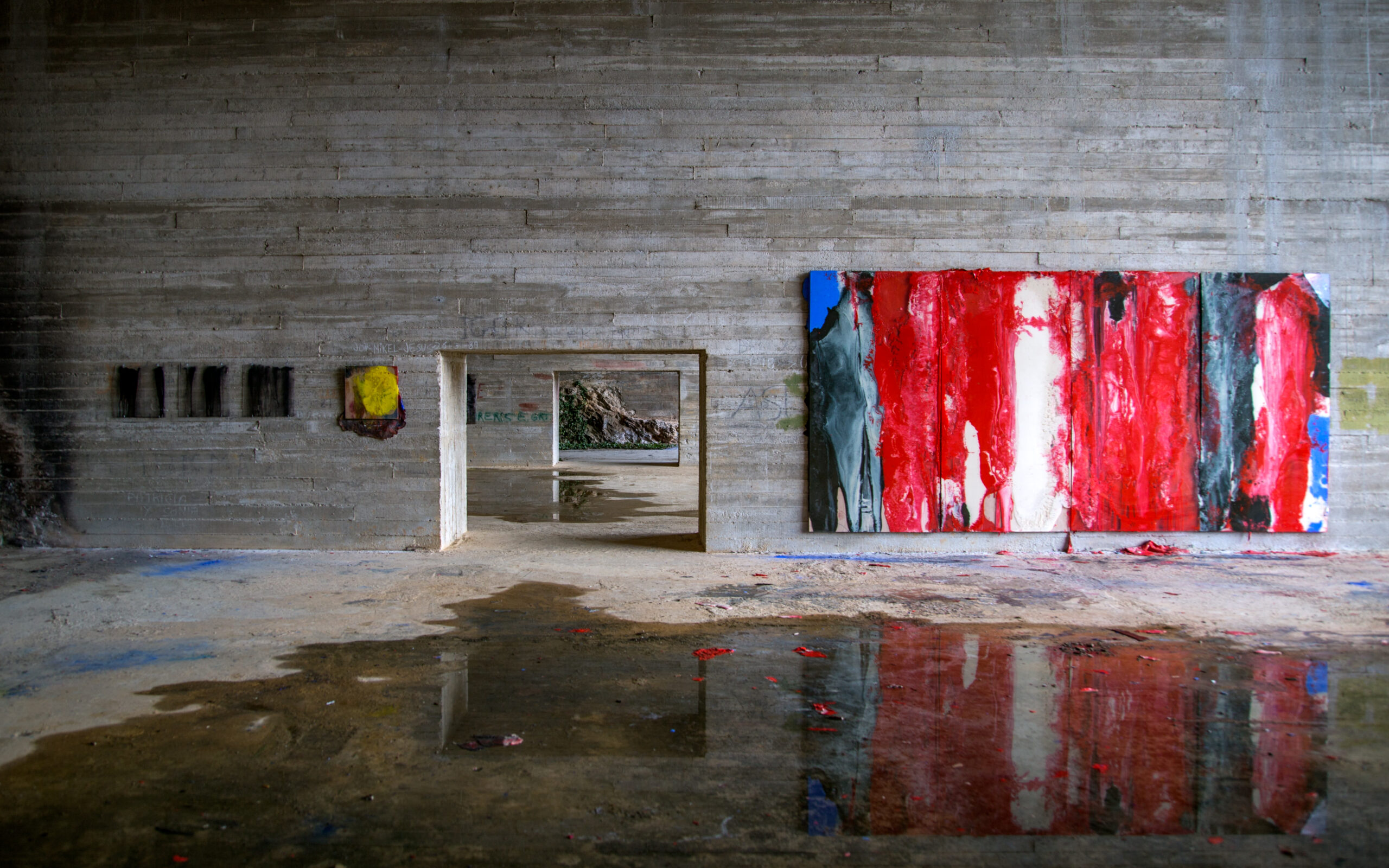
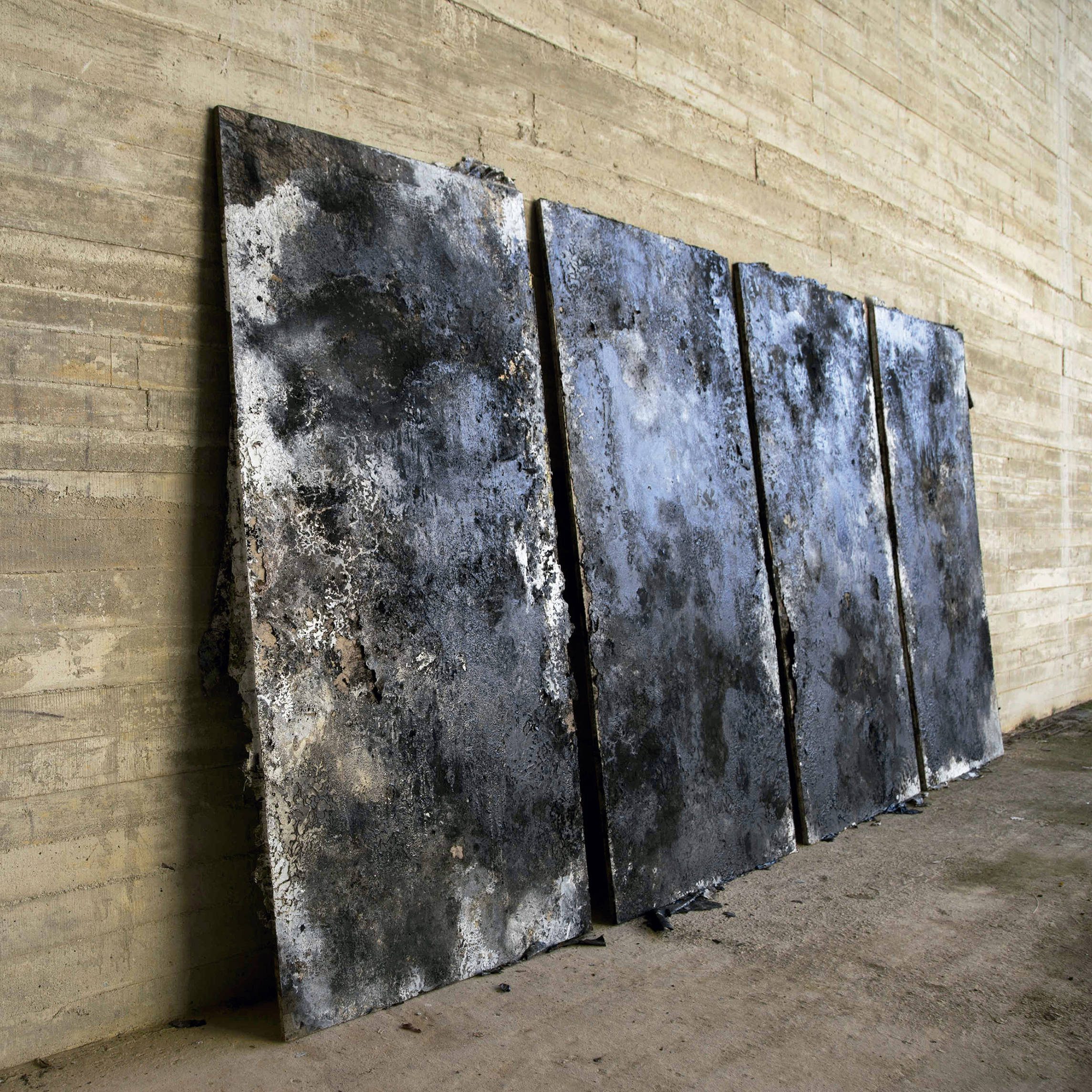
5 m x 2,45 m
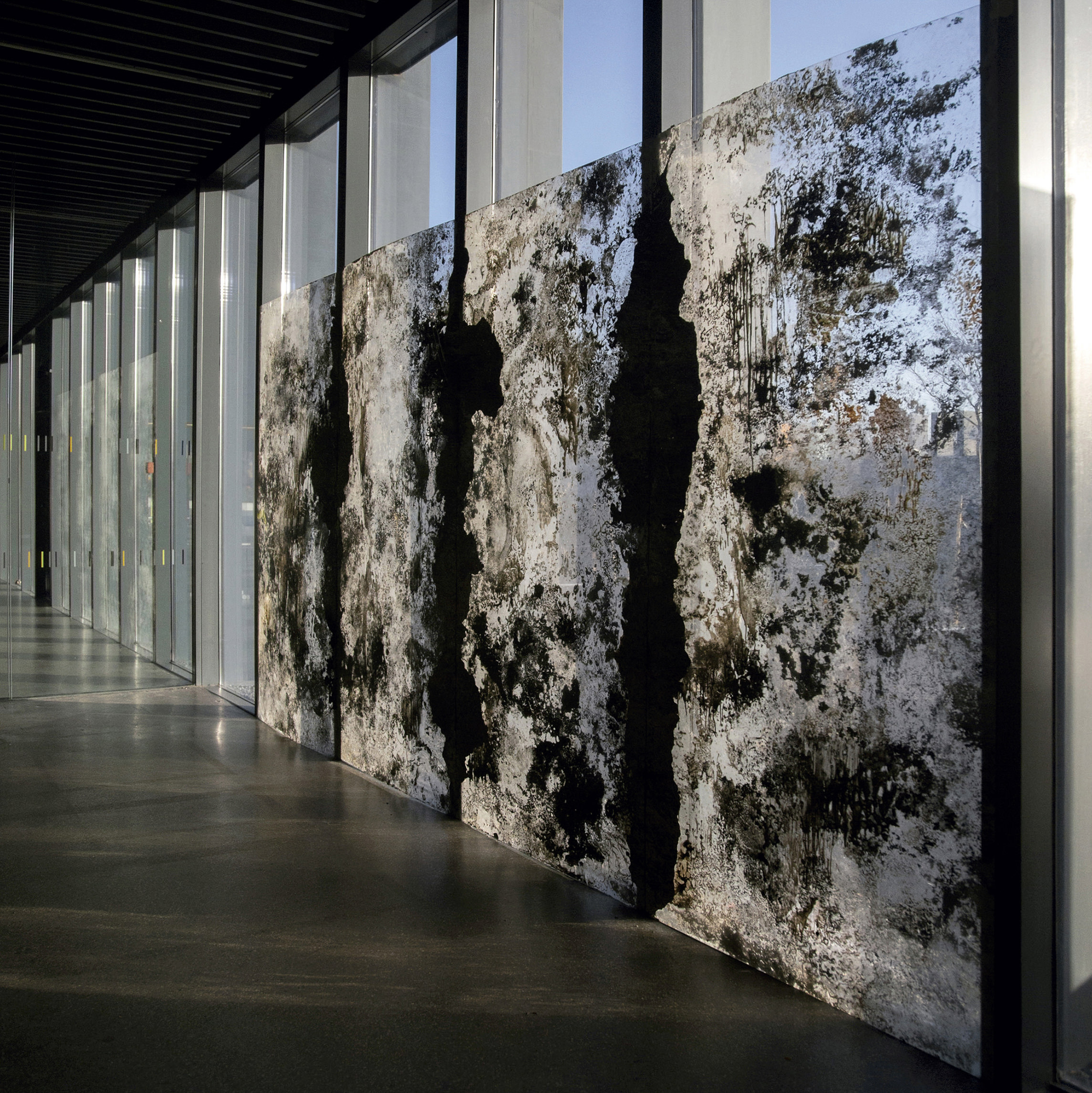
5 m x 2,45 m
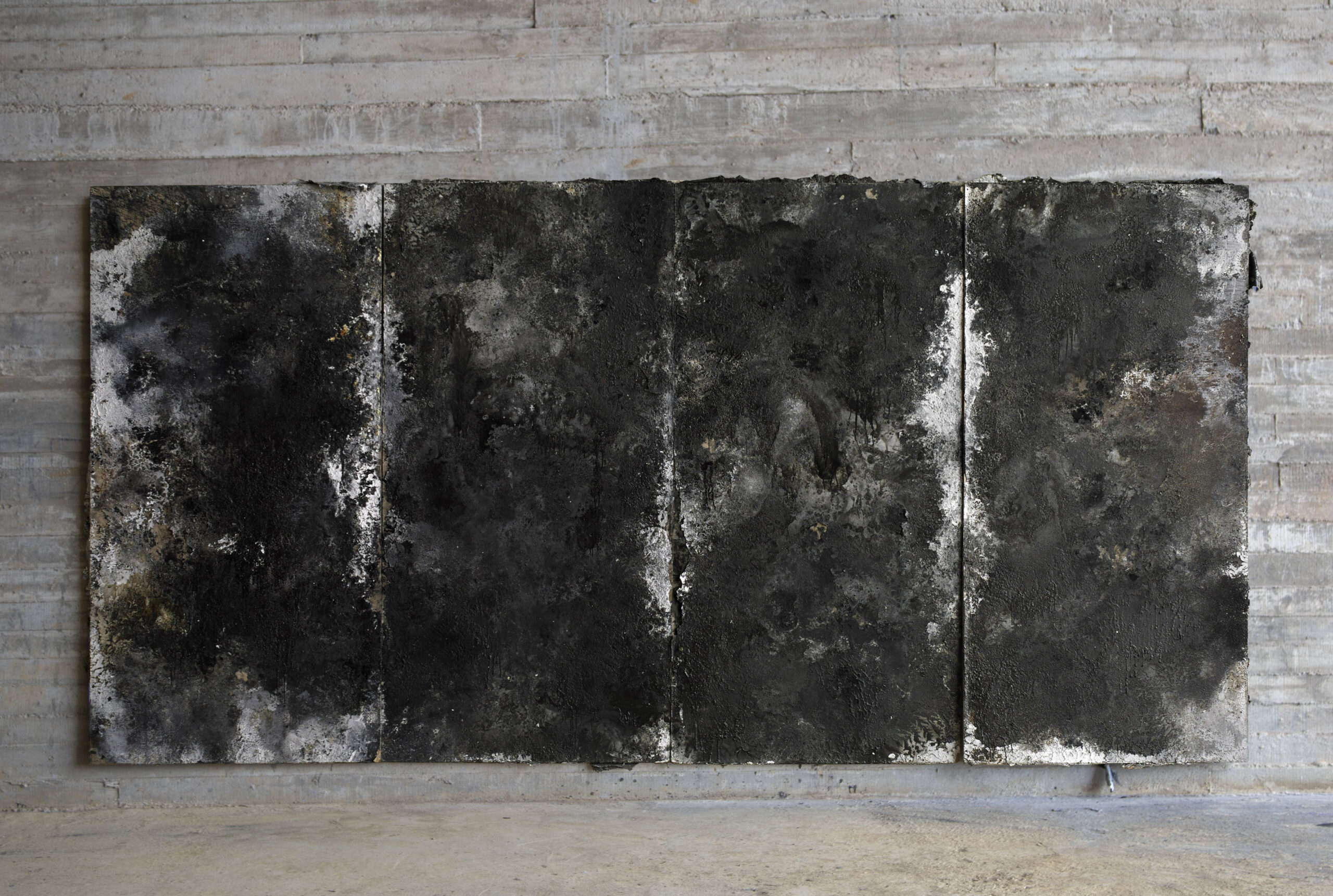
5 m x 2,45 m
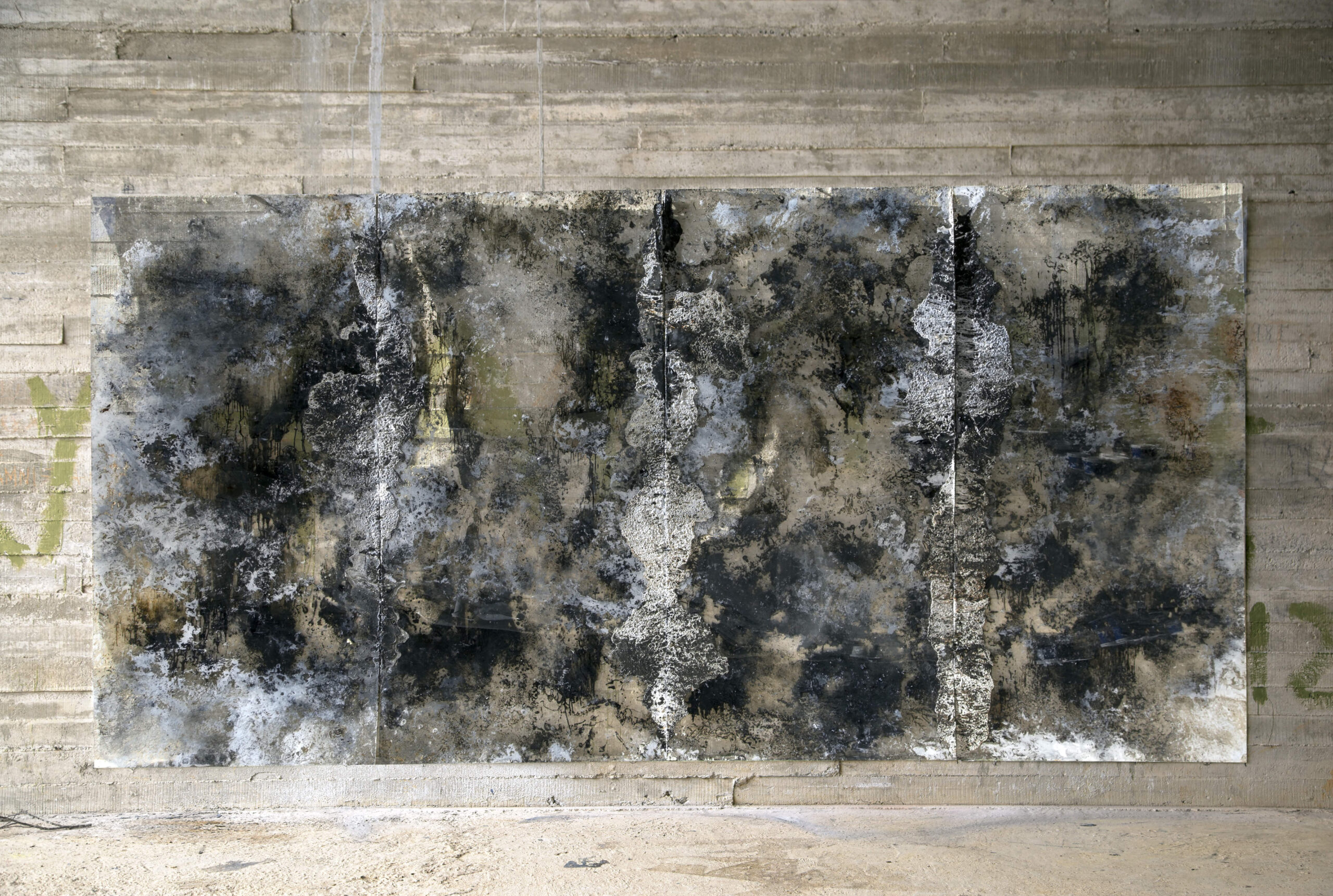
5 m x 2,45 m
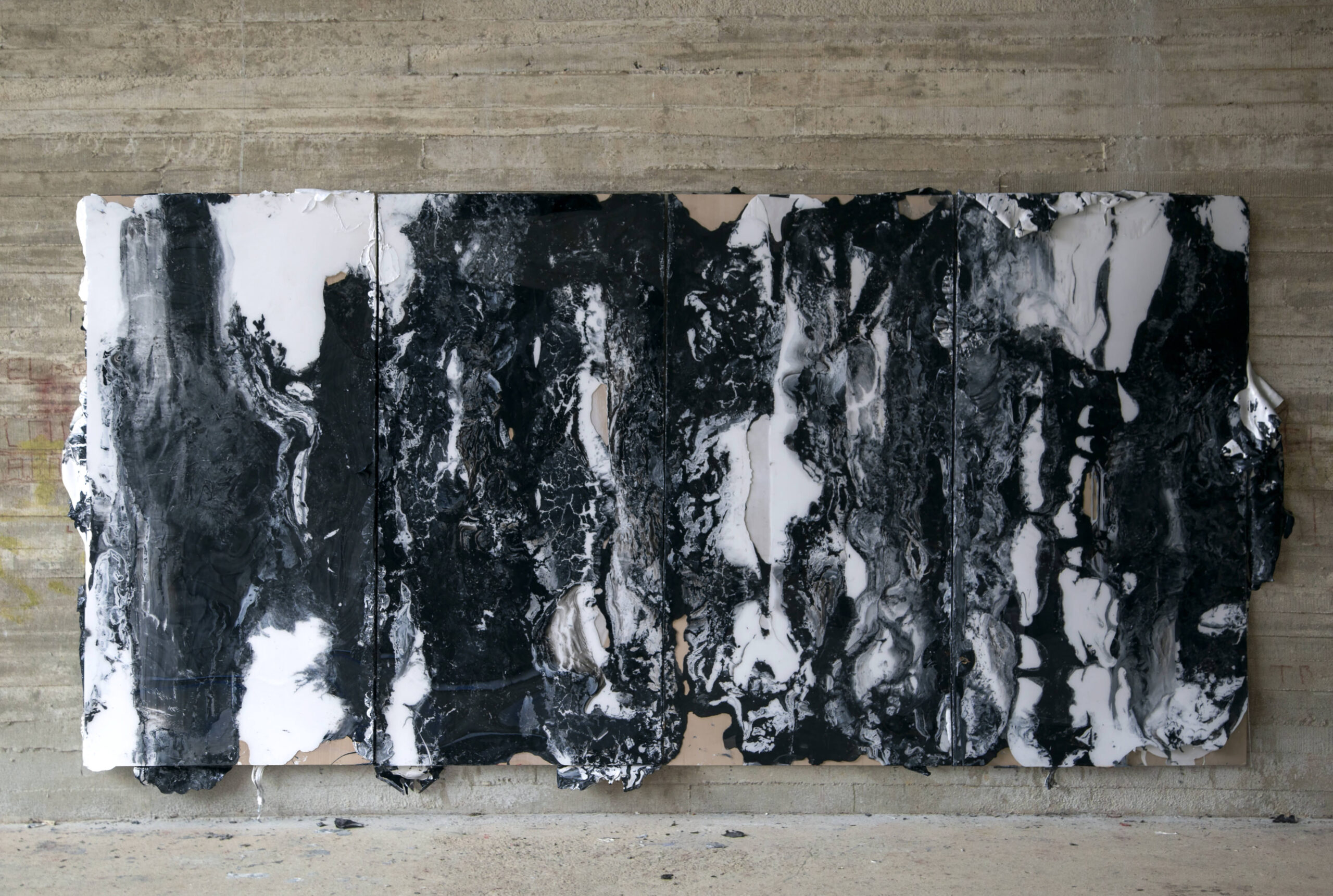
5 m x 2,45 m
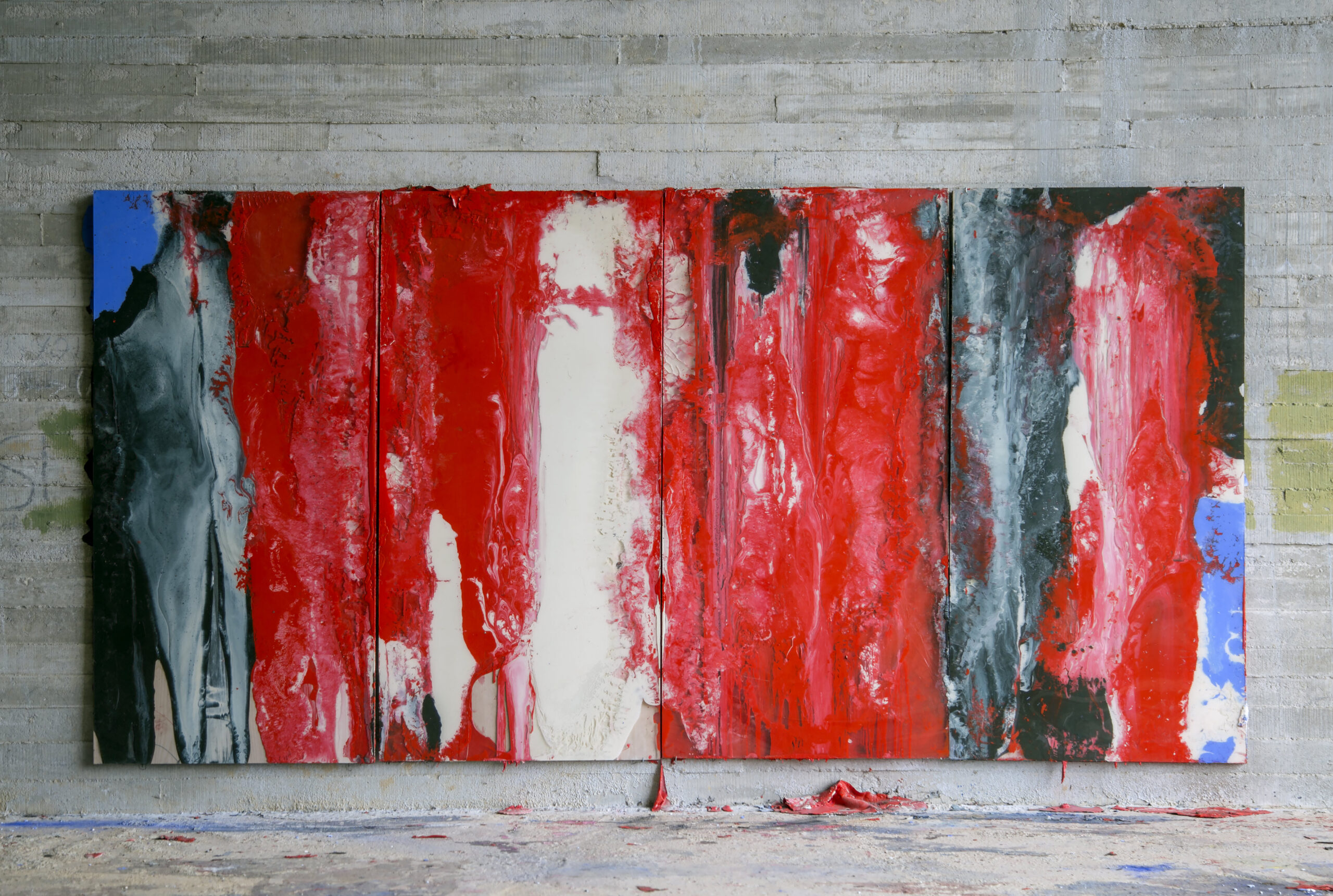
5 m x 2,45 m
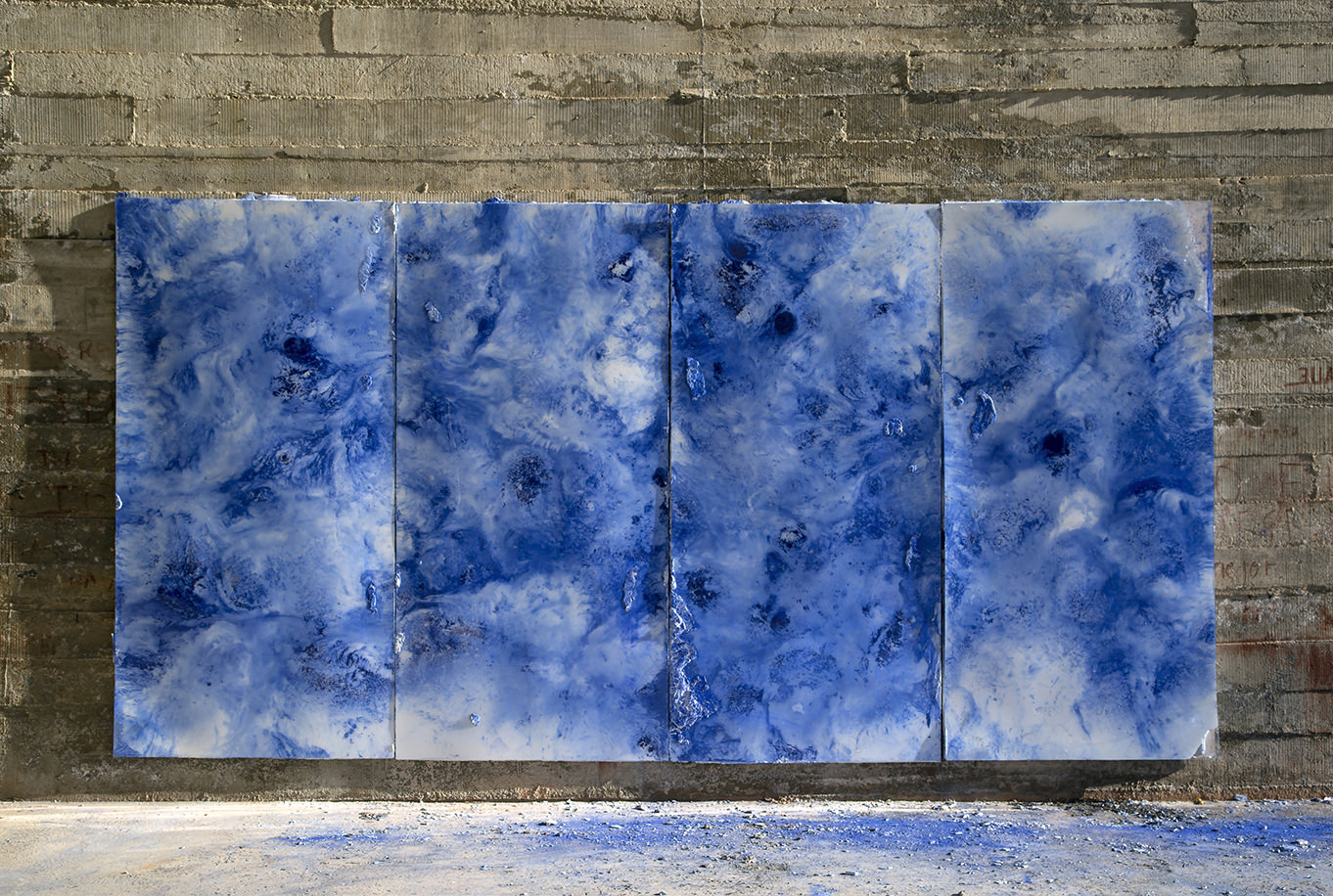
5 m x 2,45 m
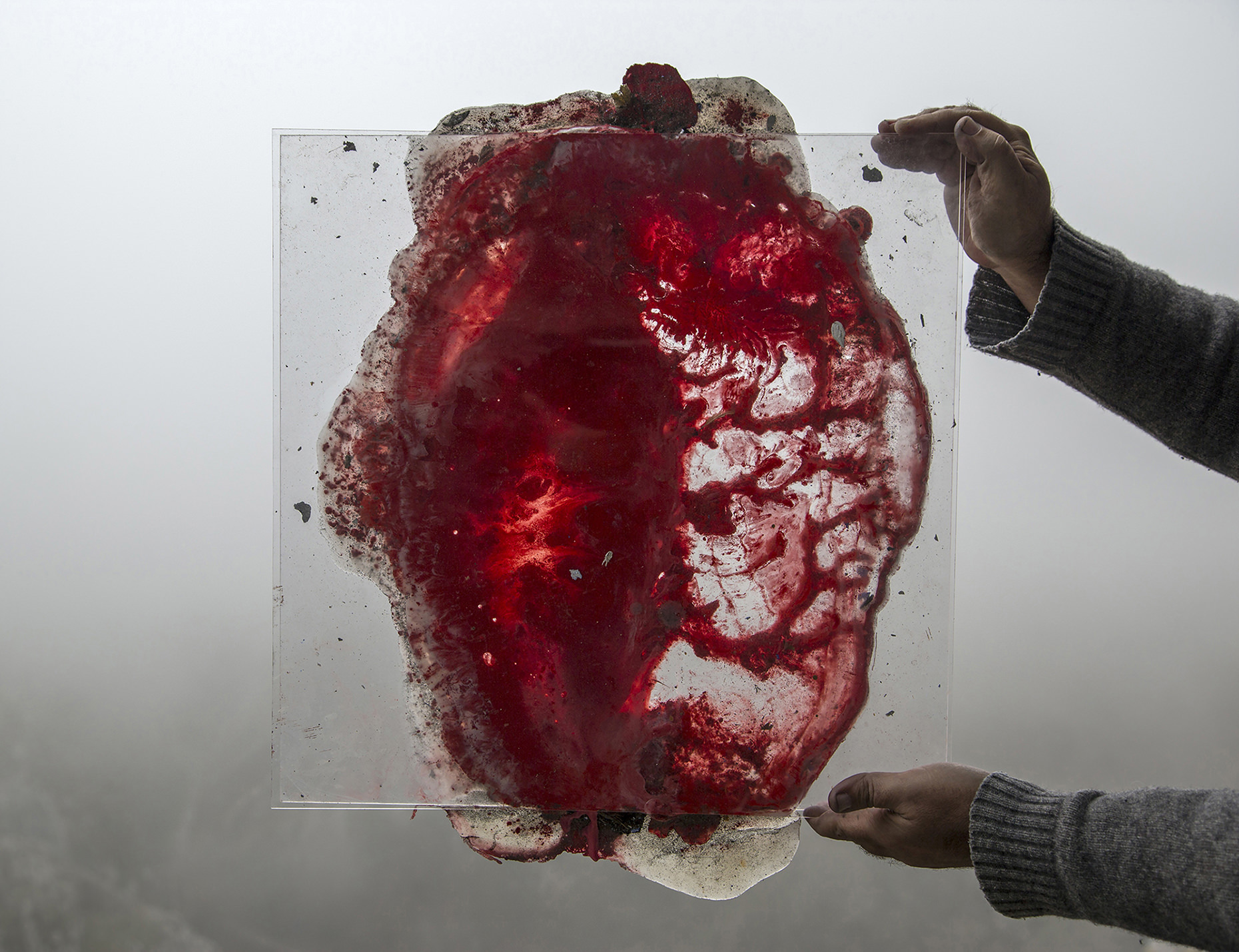
0,5 m x 0,5 m
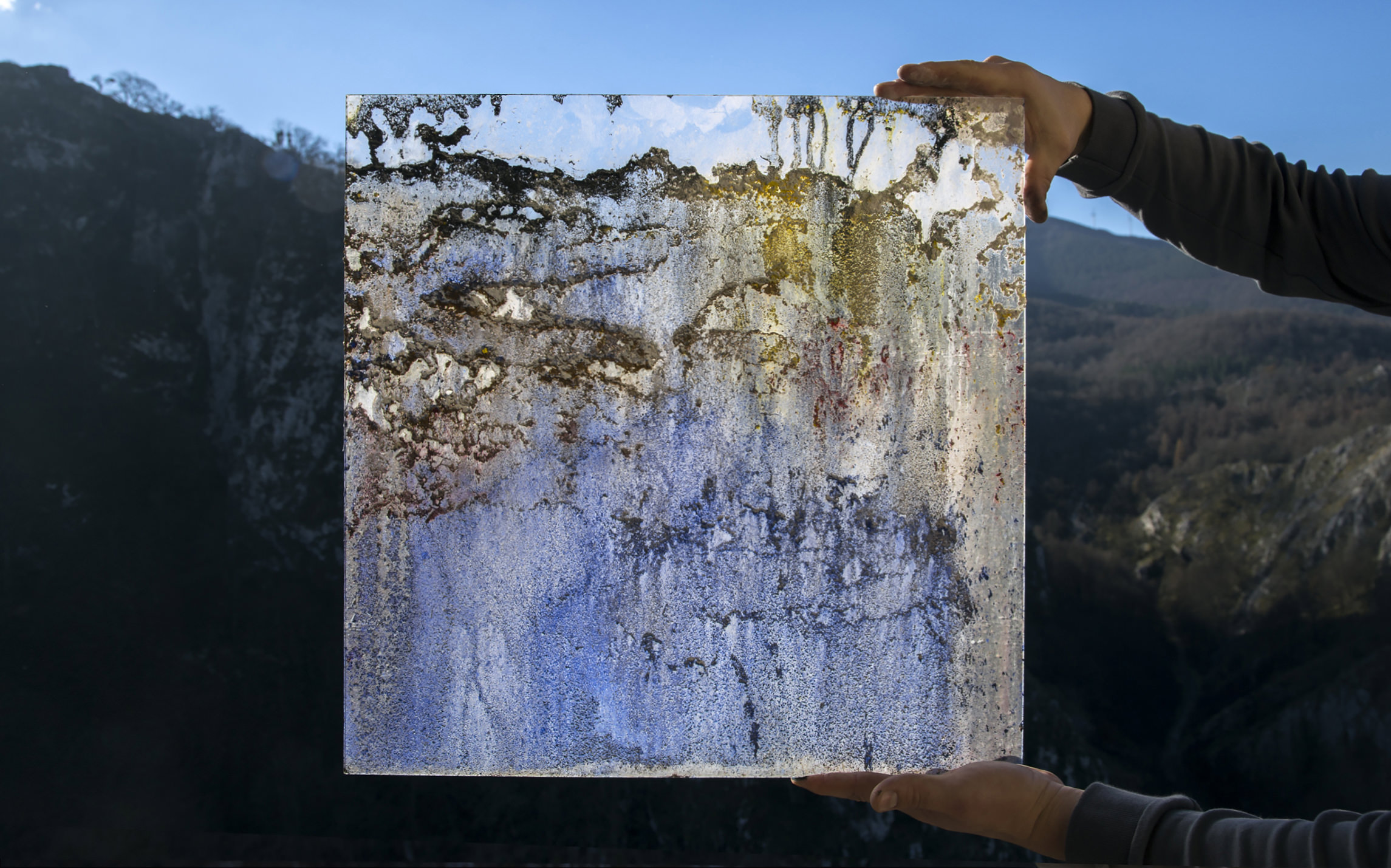
0,5 m x 0,5 m
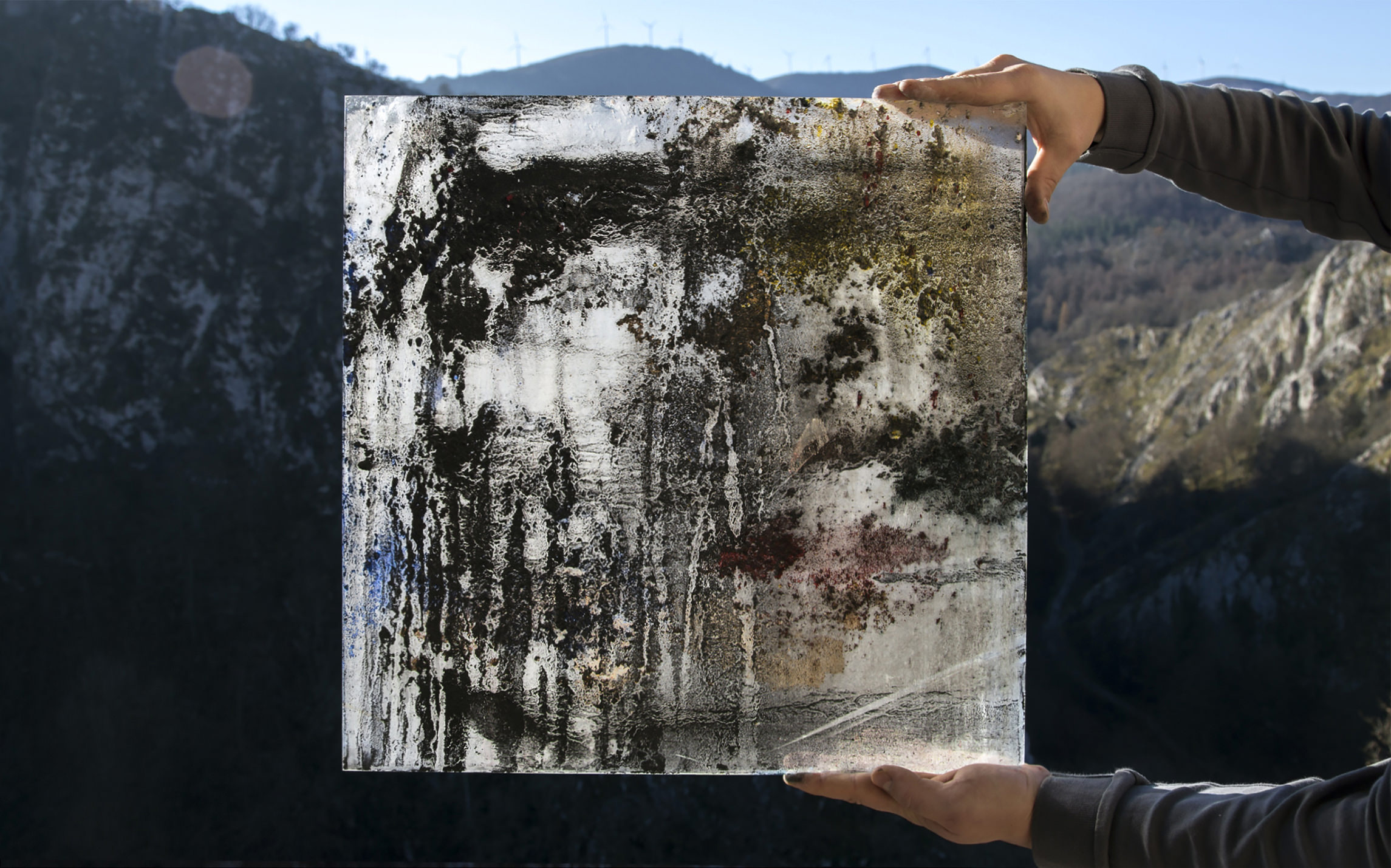
0,5 m x 0,5 m
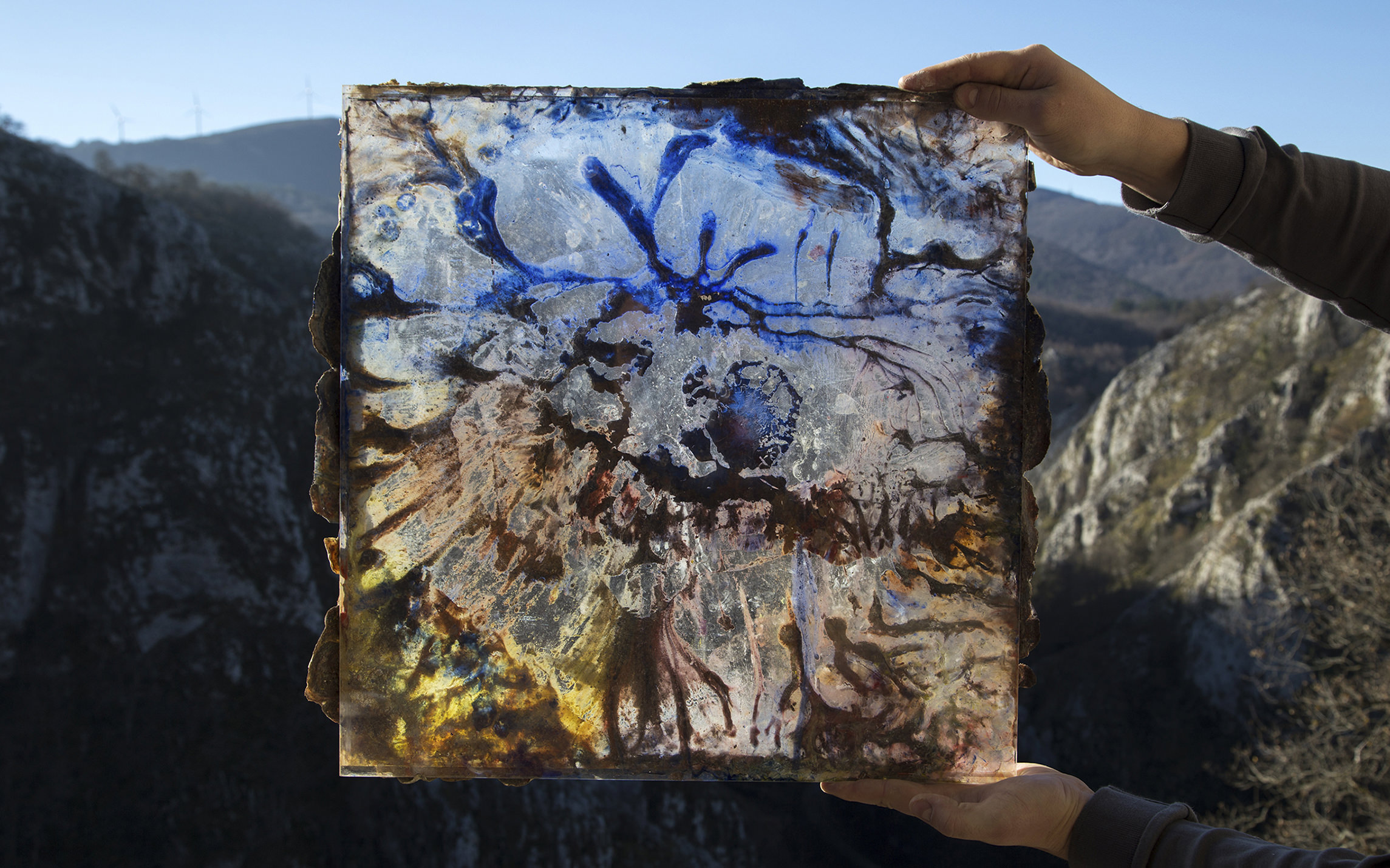
0,5 m x 0,5 m
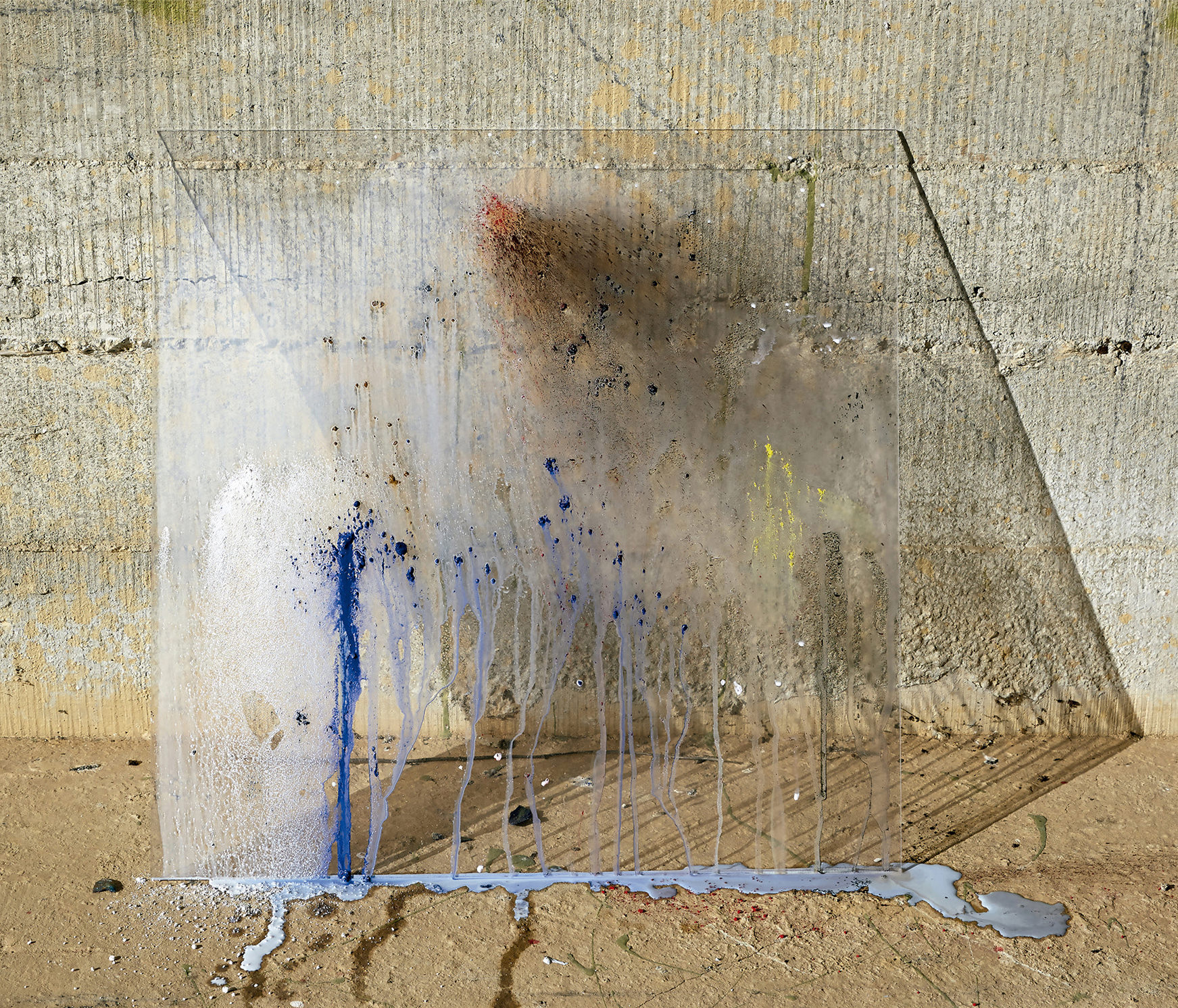
0,5 m x 0,5 m
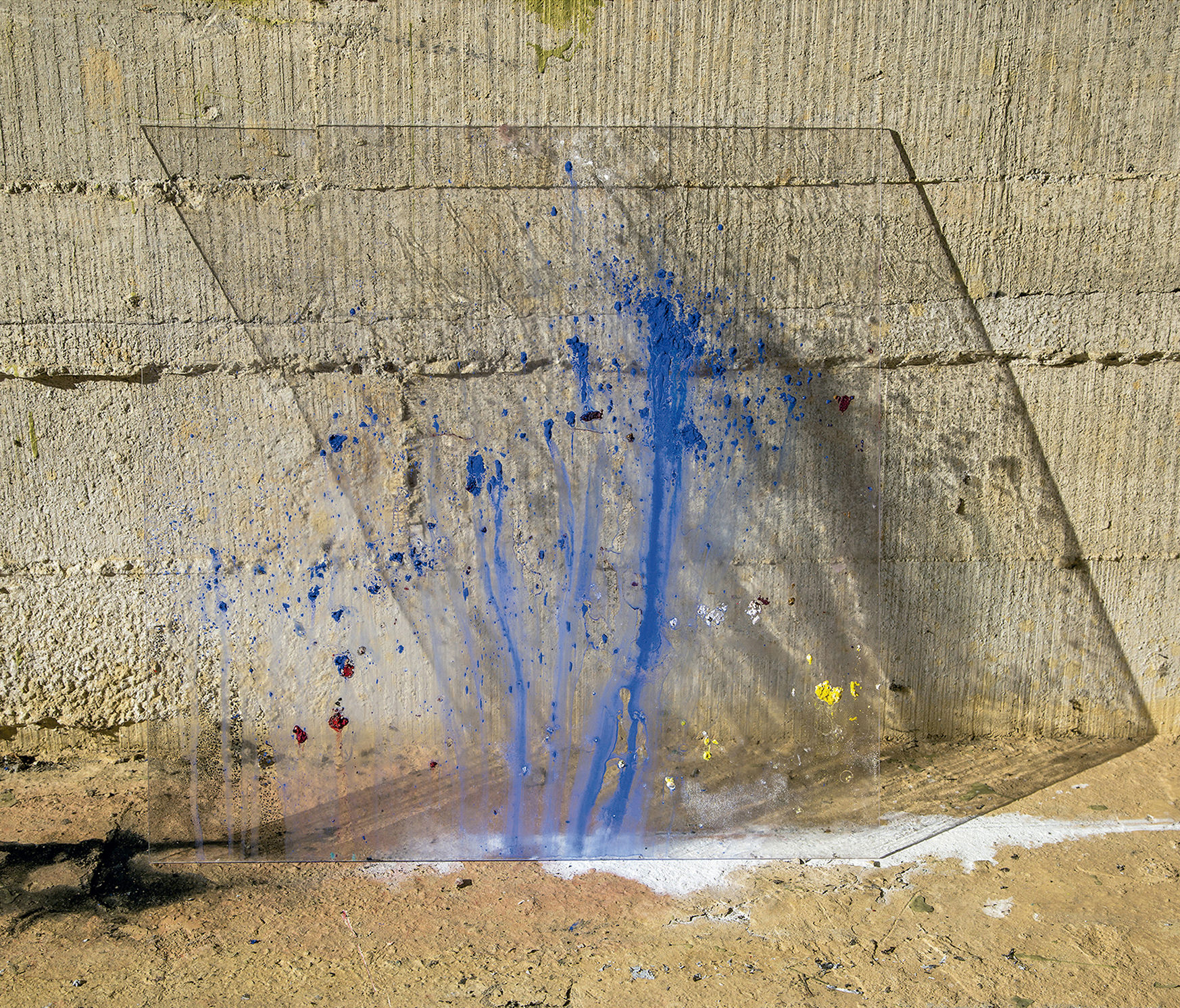
0,5 m x 0,5 m